I’ ve become a big fan of the functional zero approach to ending homelessness. Functional zero is a term used to identify a single process to make homelessness a brief and rare experience. You never know when someone will fall on hard times, so a community can never fully end homelessness. But we can have a process in place to get really close to zero at any point in time. I will talk about some solutions to homelessness in this article. And spoiler alert: We might need some small encampments in our cities to make this plan work.
Since we all have different needs in life, including those of us who are homeless, any solution will be one that allows for a variety of interventions. We’ve talked as a community about the importance of mental and behavioral health services. Many have discussed job training and financial literacy as critical before a person can live on their own. Yet others have said that if we just had enough houses then we wouldn’t be in this mess in the first place.
These are all true statements. A comprehensive plan is in order, one that takes many factors into account. In the Lehigh Valley, thanks to a strong network of social services, nonprofits and a caring philanthropic community, we have the structure in place for what it takes to get to functional zero. This system, called the continuum of care, includes data collection. You may not know that a centralized intake process for homeless persons is already in place in our region. As a network, we know people’s stories, their strengths and weaknesses, and most important we know a person’s barriers to finding and keeping permanent or even temporary shelter.
We know that we need more funding for mental and behavioral health, more access to addiction and counseling services and more dollars for professional social service staff who help navigate the system. We need more indoor sheltering beds, for any length of stay, while permanent housing is being secured. We need more landlords to offer fair market rent in some of their units, 40% of regional median rent, to help everyday working people.
The term “housing first” has been thrown around for a number of years: it means that no matter your situation, you must be provided a permanent place to stay before anything else (literally, housing is first). After you arrive at your home, social service staff will continue to work with you and ensure you become stabilized, whatever that may mean for you. See all of the above interventions for examples. Housing first is proven to work. So have other models. Why can’t we try them all at once?
Lately I have been championing a model at New Bethany we’ve been calling supportive housing, a temporary long-term rental for persons who are homeless. It is not transitional or permanent, although we provide that too. In supportive housing you can live a day-to-day life with dignity and respect for up to two years, until a better situation can be found. Creative models like this, alongside housing first, emergency sheltering, transitional and permanent housing, all could work together to get the Lehigh Valley to functional zero homelessness. With a system of supports in place, any persons who find themselves out of a home will have an immediate solution to get back on their feet.
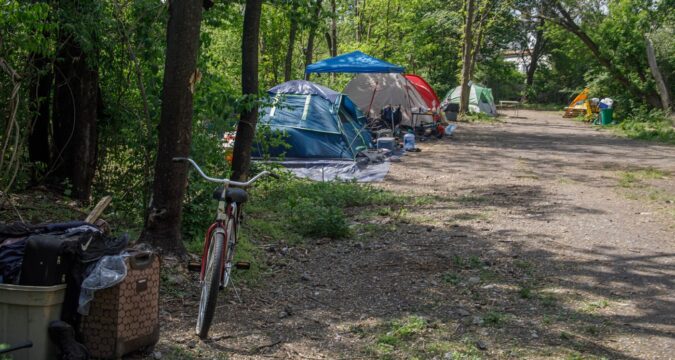
Remember when I said we might need small encampments? Achieving functional zero doesn’t mean zero persons are homeless. Instead we need to expect a limited number of people without shelter at any given time. Our neighbors may live in cars or put up tents. We should assume this as a part of our plan. This is why I am opposed to forcibly clearing encampments. Manage the encampment with services and housing plans. Do not make living outside a crime.
A coordinated regional solution will take resources of all kinds. We will need year-round emergency shelter beds, more transitional and temporary units and willing landlords to participate in lowering the rent for some households. We will need increased funding to expand social service and community health programming. With enough support, the solution is right in front of us. Are we willing to act?
This is a contributed opinion column. J. Marc Rittle is is executive director for New Bethany, commissioner for the Bethlehem Housing Authority and was recently appointed to the Pennsylvania Interagency Council on Homelessness. The views expressed in this piece are those of its individual author, and should not be interpreted as reflecting the views of this publication. Do you have a perspective to share? Learn more about how we handle guest opinion submissions at themorningcall.com/opinions.