Cholangiocarcinoma, or bile duct cancer, is one of the most challenging and under-recognized cancers, with limited treatment options and a grim prognosis for many patients. Despite its rarity, the need for awareness and focused research is immense, as early detection and innovative therapies can make a life-saving difference.
With February being Cholangiocarcinoma Awareness Month, it is an opportune time to learn about this disease that affects too many lives.
Before summer 2023, I had never heard of cholangiocarcinoma. That changed in August of that year when my daughter, Sydney, then 23 years old, FaceTimed my son and me to inform us that what she had initially believed was a hernia was actually cancer. To say that we were in shock is a huge understatement.
Sydney had always been athletic, ran cross-country in high school, became a yoga instructor, and learned to surf when she moved to California after college. Our lives instantly changed. I went to California when chemo began a few short weeks later. We cold-capped to help prevent hair loss. I watched her struggle with the many side effects of chemo, recover after most of her liver was surgically removed, and make the difficult decision to seek second and third opinions. After all, we knew nothing about this cancer or what we should expect down the road.
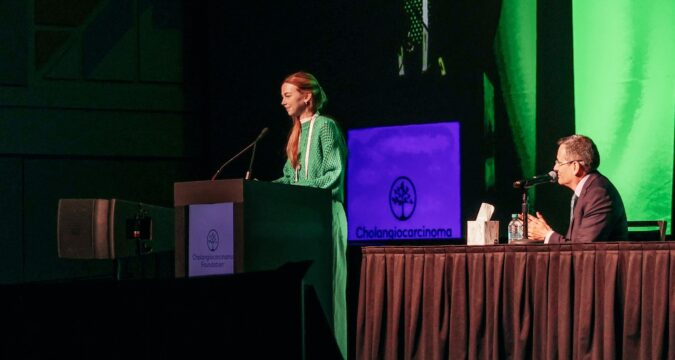
I also watched her become a beacon of hope for so many as she shared the ups and downs of her cancer journey on social media. Thousands of people send her messages, stop her on the street and leave comments on her videos, describing how her vulnerability has helped them through their own struggles. She has spoken at major cancer research conferences, sharing her story to remind the scientific community of the humanity in their work. She does this all while keeping up with a myriad of difficult treatments.
Funding for cancer research has taken a major hit in the time since Sydney’s diagnosis. Because cholangiocarcinoma is a rare cancer, it doesn’t get the attention or the funding that other, more common types of cancer do. Research, clinical trials and the development of additional types of treatment are critically important to these patients.
This deeply personal connection is why I’ve joined forces with the Cholangiocarcinoma Foundation (CCF), an organization at the forefront of addressing this disease through education, patient support and groundbreaking research. A key part of CCF’s mission is to fund early-career researchers, with an impressive 71 research fellowships totaling $3.83 million in seed funding. These fellowships are designed to inspire innovative, high-quality research and raise awareness about cholangiocarcinoma.
One of the challenges of rare cancers such as cholangiocarcinoma is that they often receive less funding from major agencies and large foundations due to limited data and perceived lower prevalence. CCF is bridging this gap by providing early-stage funding to produce the data researchers need to compete for larger grants and funding from major agencies such as the National Institutes of Health.
This strategy accelerates scientific discoveries and ensures that cholangiocarcinoma remains a priority in the broader research landscape.
Cholangiocarcinoma doesn’t just affect individuals; it also impacts families, communities and health care systems. Yet, progress remains hampered by limited public awareness and funding. We need robust support from policymakers, health care providers and the general public to improve outcomes for those diagnosed with this aggressive cancer. Amplifying our voices can drive change and offer hope to countless families.
I urge everyone to learn about cholangiocarcinoma, support ongoing research and advocate for better resources for patients and caregivers. Together, we can shed light on this often- overlooked disease and pave the way toward earlier diagnoses, more effective treatments and a brighter future for all those affected.
Visit curecca.org to learn more, make a donation or join me in making the future brighter. Your support matters.
Elizabeth Morrow of Reston is the mother of Sydney Towle, a 26-year-old woman facing a rare and aggressive stage IV cancer diagnosis. Elizabeth, Sydney and Elizabeth’s son Austin have been volunteers with the Cholangiocarcinoma Foundation.
https://www.pilotonline.com/2026/02/21/column-ending-aggressive-cancers-takes-awareness-research/