Russia Quickly Rejects Ukraine’s Offer Of Ceasefire On Black Sea Shipping
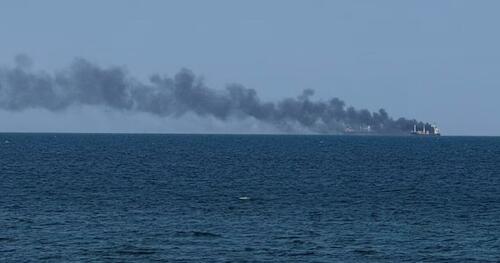
Ukraine has quietly floated a deal through a third-party mediator to halt reciprocal strikes on civilian vessels in the Black Sea, Reuters reports, in what appears to be a calculated bid to unfreeze a critical global commodity corridor and to relieve pressure on Ukraine’s battered wartime economy.
The maritime artery remains a vital economic lifeline for both nations, channeling massive volumes of grain and agricultural supplies to world markets – especially the Middle East and Africa – but there’s now been weekly and almost daily tit-for-tat attacks.
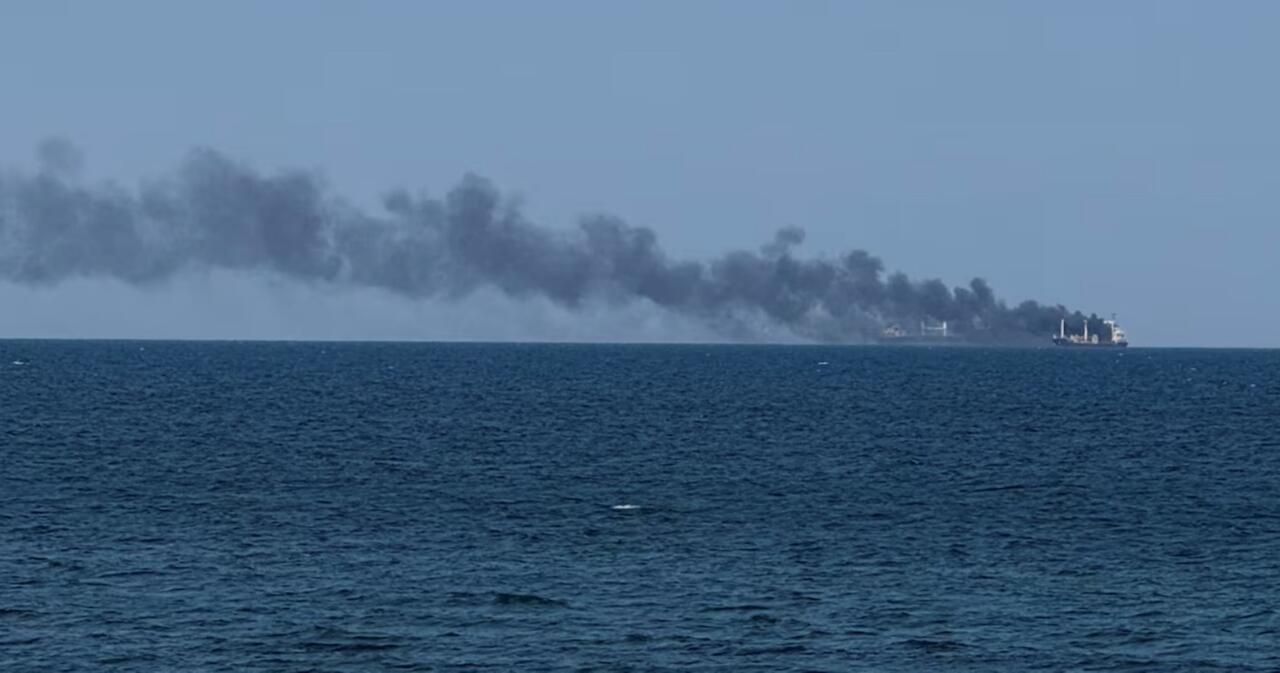
With roughly 90% of Ukrainian grain and sunflower shipments departing from the primary port cluster of Odesa, Chornomorsk, and Pivdenne, the fallout on Ukraine’s agricultural sector has been severe.
Kyiv Post cites that as a result grain exports have fallen 76% year-on-year so far in August. But the publication notes that the pressure is longer one-sided, as “on Wednesday, Ukraine launched a major coordinated strike on Novorossiysk, Russia’s key Black Sea naval and grain-export hub, forcing all three grain terminals to suspend operations and hitting naval infrastructure.”
It didn’t take long on Friday for the Kremlin to dismiss the idea of a Black Sea ceasefire, blaming Ukrainian acts of “terrorism” against maritime traffic. Foreign Ministry spokeswoman Maria Zakharova accused charged Kiev with “brazen acts of terrorism” against shipping.
“We view these attacks (by Ukraine) as a deliberate policy aimed at destabilizing civilian shipping in the Black Sea region to further escalate tensions and prolong the conflict, all with the blatant acquiescence of regional neighbours,” Zakharova said.
“At the same time, we see no signs of improvement in the situation and, consequently, no grounds for half-measures that merely grant the Kyiv regime a temporary breathing space,” she added.
Part of this grinding war of attrition if for each side to impose as much economic pain as possible, and Ukraine will be more easily squeezed by blocking its ability to export and import – given its key ports are all concentrated along its Black Sea coast.
Russian forces had hit more than 80 vessels believed involved in supplying the Ukrainian military in the month of July alone, state TASS wrote recently based on official defense ministry data.
Moscow seeks to sever military supply routes and disrupt arms shipments bound for Ukraine, but this has also obviously resulted in damaged and sunken tankers, auxiliary vessels, and even deaths of civilian bystanders among international shipping crew. It has accused Ukraine of seeking to hide military shipments under the guise of civilian cargo transit.
But comes amid a Turkish request to State to transfer ATACMS and cluster munitions to Ukraine. Turkey’s preferred side in the Black Sea conflict isn’t a well-kept secret. https://t.co/iCuJaSkq2n
— Michael Weiss (@michaeldweiss) August 14, 2026
Russia’s reaction is somewhat expected, given it has long voiced that it has no interest in short-term ceasefires which could only allow Ukraine forces to rearm and regroup; instead, it will only settle for a lasting and permanent political solution at end to the conflict.
Of course, in Moscow’s view this means official recognition of the seized eastern territories and Crimea as Russian sovereign land. President Putin himself has made clear that he will not stop the ‘special military operation’ until at least this is fully accomplished.
Tyler Durden
Fri, 08/14/2026 – 08:20