On a winter day in 1941, President Franklin D. Roosevelt stood before Congress and sketched a simple, soaring ideal — that people “everywhere in the world” should enjoy four fundamental freedoms: speech and expression, worship, freedom from want, and freedom from fear. The “Four Freedoms” State of the Union address on January 6, 1941, rallied a nation still debating its role in a dangerous world and placed freedom of speech first among equals for a reason. Democracies thrive when citizens can openly debate without fear of government reprisals.
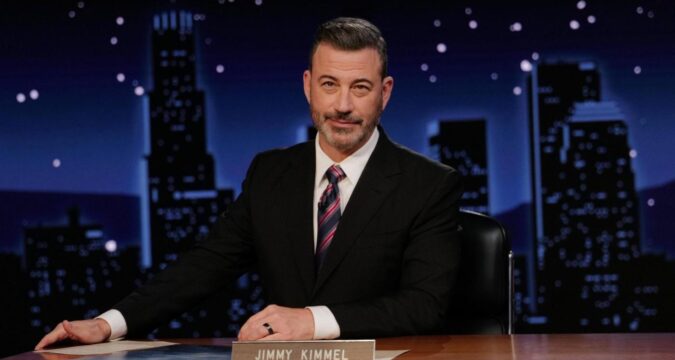
But that was then … and this is now. When ABC pulled “Jimmy Kimmel Live!” after a monologue touched off a political fury — and when Sinclair and Nexstar preempted the show on dozens of affiliates — the decision went far beyond late-night comedy. Even though Kimmel is back on the air and Sinclair and Nexstar have recanted, the episode exposed an insidious trend: public officials are leaning on broadcasters to back off of their criticisms or their licenses might be at risk if programming offends the people in power.
It’s black letter constitutional law in America that the First Amendment forbids government from preventing or punishing speech because of its point of view. Yet in the Kimmel controversy, the Chairman of the Federal Communications Commission, Brendan Carr, publicly engaged the question of whether airing the show served the “public interest,” as if that were relevant.
According to the Yale Law Journal, former regulators and legal scholars have reminded everyone that the FCC does not have the authority to yank a license over political commentary it dislikes. But the fact that such threats are even discussed — and that station owners weighed them as part of their risk calculus — shows how easily government jawboning can become de facto censorship.
Zoom out, and another development raises the stakes. In July 2024, the Supreme Court decided Trump v. United States, recognizing in a bitterly contested opinion that the president had at least presumptive criminal immunity for his or her “official acts,” and absolute immunity for actions within constitutional authority.
A presidency with broad personal protections paired with a political culture that tolerates threats aimed at media while not tolerating criticism from that media is a combustible mix for freedom of speech. The cure for speech we hate has always been more speech or more broadcasting stations, for that matter. Viewers can always switch the channel, complain or boycott. That’s the marketplace at its finest.
What crosses the line, however, is when government actors — whether a president or regulators — hint that criticism might cost a broadcaster its franchise. Licenses exist only to ensure housekeeping, not to police political points of view. The moment we accept otherwise, we invite whichever party controlling Washington at any particular time to decide what we may view or discuss under its watch.
Our founding fathers fought long and hard just to secure the First Amendment in the first place, and it remains a right defended generation after generation. If people fear that criticizing the president, a commissioner or a political party might trigger government retaliation, those debates will migrate to whispers in darkened rooms. And self-government will wither in silence.
Public sentiment should insist on something both modest and profound. Regulators must publicly reaffirm that they will not use licensing to punish political points of view or criticism. Congress should resist any attempt to turn “public interest” into some type of back door for content control. Broadcasters should stand firm and in unison that they will not succumb to the threat of retaliation in the exercise of their right to free speech. And all of us need to remember, regardless of political affiliation, that today’s applause for silencing “the other side” will become tomorrow’s muzzle on their own.
In 1941, FDR asked Americans to imagine a world secured by four simple freedoms. We honor that call not by protecting speech we agree with, but by safeguarding the speech that needles, mocks, and infuriates — especially when it targets the powerful. Silencing Kimmel was no laughing matter. The surest sign those freedoms still live is that the jokes keep coming, the critics keep talking and the government keeps its hands off the mic.
Larry Pino of Winter Park is an attorney and entrepreneur.
https://www.orlandosentinel.com/2025/10/09/commentary-silencing-kimmel-was-no-laughing-matter/