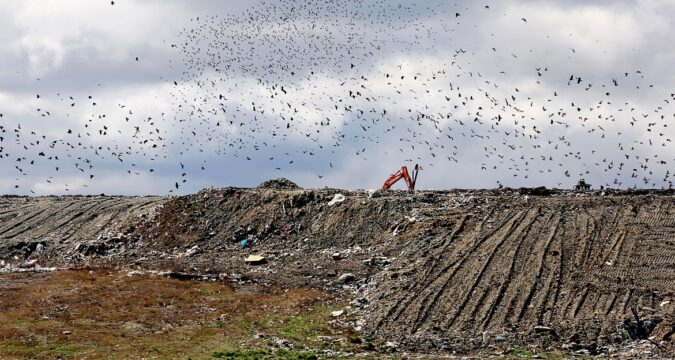
Plastic bottles, food scraps and cardboard boxes don’t just disappear once tossed in the garbage. They might be out of sight, but they’re not out of mind. Instead, they wind up in landfills or foul waterways and litter roadways. This September, Zero Waste Awareness Week is a call to action.
In 2023, Virginia Beach Clean Community Commission (VBCCC) recommended Virginia Beach City Council adopt a resolution that established the first week in September as Zero Waste Awareness Week, during which the city highlighted ways its residents can work toward a zero-waste lifestyle.
This year, the Virginia General Assembly passed HJ446, a bill officially designating the first full week of September as Zero Waste Awareness Week, dedicating it to educating all Virginians about zero waste, its principles, practices and benefits for the state’s environment and budget.
This initiative now encourages individuals, businesses and communities statewide to take deliberate, simple steps to produce little or no waste by refusing, reducing, reusing, repairing, repurposing, recycling and composting (R6C); consuming fewer resources; and ensuring environmental quality. R6C can be the simple formula to reach a zero waste lifestyle:
Bring your own and refuse disposable items. Reusable water bottles, shopping bags, mugs and cutlery that can all replace single-use items.
Kitchen magicians reinvent leftovers and unused pantry items, while composting food scraps.
DIY and repair rather than replace a broken or malfunctioning item to extend its life, reduce landfill and save money. It might just be a burnt fuse.
Shop smarter for environmentally friendly or recyclable items, and buy in bulk to reduce packaging. Consider whether you’re buying something for convenience or because you forgot you already had it, but couldn’t find it.
Leave it better than you found it. Clean up any trash in public and outdoor areas whenever you see it.
Recycling should be the last step taken to achieve zero waste. Recycling, if done correctly, conserves natural resources and energy, reduces landfill demand, prevents pollution and creates jobs. Virginia Beach Waste Management accepts the following items for recycling:
Paper: newspaper, magazines, junk mail, paperback books, flattened, unwaxed, clean and dry cardboard and chipboard (no greasy pizza boxes)
Plastics: No. 1-7 plastic bottles and jugs (“check for the neck”), water bottles, soap bottles, detergent bottles and milk jugs
Food and juice cartons: milk, juice, protein drinks, wine cartons and soup cartons.
Glass bottles and jars: all colors of glass beverage and food containers
Cans: aluminum, tin and steel cans
Zero Waste Awareness Week reinforces Virginia’s efforts to reduce waste and promote sustainable practices through existing programs and policies:
Virginia phased out the use of expanded polystyrene (foam) food service containers, with the ban already in effect for certain businesses, extending to all food vendors by July 1. It also banned the intentional release of non-biodegradable balloons.
The Virginia Department of Environmental Quality supports efforts to reduce waste, increase recycling and minimize the impact of litter on the environment. It also leads a task force focused on increasing waste diversion and recycling through various strategies while improving existing programs such as composting.
Virginia was the first East Coast state to publish and revise a Marine Debris Reduction Plan.
Virginia Green encourages sustainable practices in the tourism industry statewide, emphasizing recycling, eliminating polystyrene and conserving resources.
Local organizations and initiatives also actively promote zero-waste principles. Community groups, clubs and civic leagues organize regular cleanups to prevent litter from polluting waterways and natural areas. Programs, such as Lynnhaven River NOW’s Walk Intentionally, Live Differently (WILD) Zero-Waste Challenge, urges participants to track and reduce their environmental footprint.
This September, don’t just participate in Zero Waste Awareness Week; turn it into Zero Waste Action Year. Check the city of Virginia Beach Waste Management Division website and social media page for more zero waste options at virginiabeach.gov/wastemgt.
Anne Mannarino, Anna Orchard-Hays and Terry Ann Stevens are members of the Virginia Beach Clean Community Commission. Orchard-Hays is also an environmental studies program student in Virginia Beach Public Schools.