I once was hired to work with an organization that hosted an annual Christmas party. Their intention was good, but over the years attendance dwindled. The inclusive climate survey I gave them revealed that several employees did not feel welcomed or included in some of the workplace activities geared towards building camaraderie, including the annual Christmas party. Some of the employees whose cultural norms did not include Christmas didn’t feel represented.
After sharing this data with company leadership together, we reimagined a holiday celebration where everyone could share their traditions — from Kwanzaa to Hanukkah to Diwali. Participation soared, workplace morale improved and the workplace culture was transformed.
That simple change illustrates a larger truth: Inclusion works.
Across the nation, some organizations are retreating from their commitments to diversity, equity and inclusion. Yet this summer, on July 29, the U.S. attorney general issued a reminder that all federally funded agencies must continue to guarantee inclusive access.
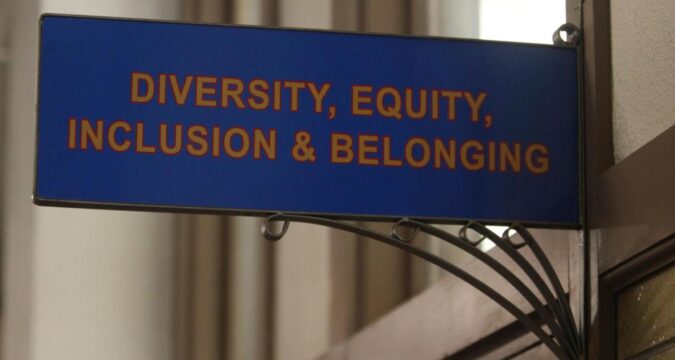
As someone who has spent more than 26 years in education as an educator, administrator and consultant, I’ve seen firsthand how inclusive practices strengthen classrooms, campuses and communities. This isn’t about the politics of “DEI.” It’s about how we, as educators, businesses and nonprofits, stay committed to inclusion in a way that helps us all to thrive.
With Hampton Roads boasting Virginia’s most diverse population, our region — home to international trade, NATO and the military — is proof that global connection depends on inclusive access.
When inclusion takes a back seat, the results are costly. In education, students disengage when they feel unseen. In the workplace, employees lose motivation and creativity when they’re not valued. In nonprofits, clients distance themselves when they experience the same inequities the organization exists to address.
Conversely, when inclusion is intentional, the opposite happens. Students thrive, workplace productivity increases and communities grow stronger. For example:
K–12 literacy: One local elementary school noticed gaps between English learners and native speakers. Rather than relying on one-size-fits-all instruction, teachers incorporated bilingual books, invited families to share stories from their cultures, and trained staff in culturally responsive literacy practices. Reading scores rose across all groups, and students who once struggled began to see themselves reflected in the curriculum.
Higher education: A nearby college’s climate survey revealed that students were frustrated by customer service in one department. Employees there felt overworked and unheard. The college responded with wellness initiatives for staff, customer service training and student listening sessions. Within two years, satisfaction rose for everyone involved.
Business: A Hampton Roads company realized its marketing targeted only one demographic as its ads didn’t reflect the diverse communities it served. After developing inclusive campaigns with multilingual messages and culturally relevant imagery, engagement and sales increased, and new customers felt valued for the first time.
Corporate: A regional bank struggling with retention created an anonymous bias reporting system after reviewing troubling exit interviews. Within months, the company identified microaggressions and communication gaps affecting morale. With focused training and accountability, employee trust and retention improved.
These are just a few tangible examples of the benefits of inclusion that you will note has nothing to do with merit, diversity “quotas” or exclusion. National debates may shift. Political climates may change. However, no law prevents us from developing the skills to create positive and productive places to learn and work.
Hampton Roads has an opportunity to lead. With our rich diversity, our schools, nonprofits and businesses can model how inclusive access strengthens not only classrooms and workplaces, but entire communities. By ensuring every student, employee and community member feels valued and supported, we prepare our region not just for achievement, but for impact, and that, my friends, is a skill that requires intentional work.
So, let’s not throw the baby out with the bathwater. Inclusion still matters.
ClauDean Kizart, Ed.D., of Portsmouth is an inclusive culture strategist, speaker, consultant and the author of “Beyond Implicit and Explicit Bias: Healing the Root Causes of Inequity in Education.” Email her at dockizart@gmail.com.