Families and business owners across America deserve the opportunity to grow and thrive. Yet, I keep hearing the same concern: Rising energy costs are squeezing budgets and forcing impossible choices. In Tampa just this summer, residents saw a $50 jump in their monthly electric bill due to rising temperatures and other extreme weather. They’re not alone. According to recent data, three in four Americans are concerned about utility bills rising this year, with most saying they feel powerless to do anything about it.
The facts back up the concerns. Across the country, families are watching their electricity bills rise and wondering how they can skimp on groceries and other necessities to scrape by. Small manufacturers are struggling to stay competitive as energy costs eat into their margins. Farmers watch as economic tools that would have allowed them to keep operations in their family are ripped out of their hands.
On top of all this, new federal policies are pulling us in the wrong direction. Just look at North Carolina, where the administration has ripped away federal funds from organizations that would have lowered household bills through low-cost solar.
But it doesn’t have to be this way. We can build a thriving and sustainable economy that empowers working people — not high-dollar political donors. And to do so, we need only look to states and communities that are already building these solutions. While we need to think big, we also have the tools we need to build a better future right in front of us.
That’s why I’m proud that we are coming together to launch SEEC Institute’s Thriving Economy Project, a comprehensive initiative to develop real solutions for the economic challenges facing American families and businesses due to rising energy costs, increasing global economic competition and growing climate disasters.
Right here in the Sunshine State, I see proof that clean energy is key to our next economic boom. Clean investments made possible by expiring federal tax credits have attracted more than $12 billion in investment, leading to more than 12,000 new jobs. Despite headwinds, over 90% of capacity added to our nation’s grid in the past year has been clean energy that can help families save money, create jobs and meet growing demand. This is proof that when we invest in clean, reliable energy infrastructure, we create economic opportunity.
The Thriving Economy Project will focus on four key areas where we can make real progress: helping communities and rural economies flourish, securing an affordable-energy future, developing innovative financing solutions and building government systems that deliver results. This isn’t about imposing solutions from the top down. It’s about finding what’s already working in communities across America — and finding ways to scale it.
This project will spend the next year listening to communities nationwide to see what’s working and what’s not. We’ll bring together farmers and manufacturers, small business owners and labor leaders, mayors and governors, CEOs and policy experts, researchers and community activists. We’ll look at successful models from red states and blue states, rural areas and urban centers, because good ideas don’t have a party label. The goal is to develop a practical roadmap that Congress, states and local communities can use to create more jobs, lower energy costs, foster American ingenuity and entrepreneurship, and build stronger, more resilient local economies.
This project is about building an economy where a small business owner doesn’t have to choose between paying her electric bill and giving her employees a raise, where a manufacturing worker in Michigan can be confident that his job will still exist in 10 years, where a farmer in Iowa can invest in new technology knowing it will pay off for his operations and his community.
American communities already are writing the playbook for 21st-century prosperity. With the Thriving Economy Project, our job is to make sure everyone has access to those tools and opportunities. The communities leading this charge have shown us what’s possible. Now it’s time to make it inevitable.
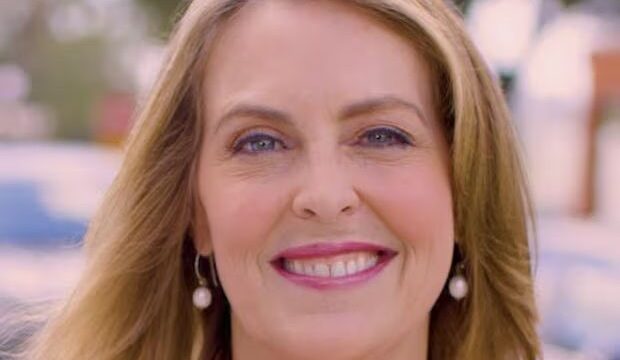
U.S. Rep. Kathy Castor, D-Tampa, is the chair of SEEC Institute’s Thriving Economy Project. This opinion piece was originally published by the Tampa Bay Times and was distributed by The Invading Sea website (www.theinvadingsea.com). The site posts news and commentary on climate change and other environmental issues affecting Florida.