Trust, especially when it comes to health, is an act of deep vulnerability. Particularly when you don’t feel like anyone else truly understands what you’re going through, where you’ve been or the hard knocks you’ve faced along the way.
I remember watching my mother struggle with her health, a painful path that might have looked very different if she had had a trusted peer to guide her — someone she could relate to and rely on. If only she had a Community Health Worker.
In the decades since my mother’s passing, I’ve devoted my career to helping others like my mom, individuals and families overwhelmed by the complexities of health care, yet hesitant to trust.
Community health workers (CHWs) bridge this gap, serving as the ultimate mentors for health and well-being, helping individuals and families navigate health and social service systems that are often confusing, overwhelming or feel out of reach.
CHWs are trusted members of the communities they serve. They often share the same language, culture, ZIP code and lived experiences as the people they support — making them uniquely qualified to walk alongside someone as a mentor for their health.
Like any great mentor, a CHW listens first — without judgement — and helps community members set realistic goals for themselves and their families, whether that means helping a senior understand better medication management, guiding a working parent through health insurance enrollment or connecting a family to food, housing or transportation resources that directly affect their health and quality of life.
With a strong foundation of trust, CHWs help people understand medical instructions, keep appointments and address social stressors. As a result, they reduce unnecessary emergency room visits and hospital readmissions.
As we recognize January as National Mentor Month, it is the perfect time to advocate for Community Health Workers and the impactful role they play in guiding health and well-being.
These professionals are proven so effective that the U.S. Bureau of Labor projects CHW employment will grow by 13% over the next decade, far outpacing average job growth.
And beyond data and dollars is something immeasurably important: empowerment. Mentorship doesn’t just aim to solve today’s challenges but equips mentees for the future. CHWs help community members gain confidence to advocate for themselves, ask questions and make informed decisions about their health. With the much-needed support, individuals move from crisis-driven care to prevention and stability — a shift Florida desperately needs to thrive.
MHP Salud is committed to building, growing and supporting the CHW workforce throughout Florida. But we can’t do it alone.
Strengthening Florida’s Community Health Worker workforce means recognizing that for many families, a trusted mentor can make all the difference in how they experience health and care. It will take investment, partnership and support. This is a call to those who believe in the power of mentorship and thirst for a stronger, healthier Florida. Please join us.
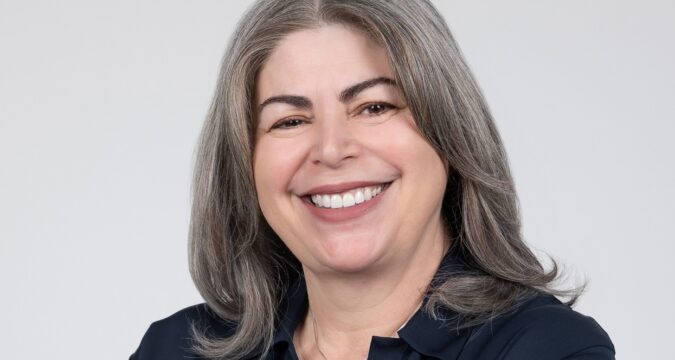
Maggie Dante is CEO of MHP Salud, an Orlando-based nonprofit focused on improving public health outcomes through community health work, including training CHWs.