I didn’t grow up imagining that chronic pain would shape my adult life. I was born with spina bifida, a condition that leaves my spinal cord tethered and puts pressure on my vertebrae, causing constant, often debilitating pain. Doctors told me years ago that I’d end up in a wheelchair. But like many Floridians, I’ve fought hard to stay active, to work, to show up in my community, and to live as close to normal as I can.
For me, that daily battle is personal. Pain dictates whether I can drive for Uber, whether I can be on my feet working, or whether I’m stuck at home unable to move. I see a pain specialist, and yes, like many people with serious conditions, I’ve been prescribed opioids. They help, but only to a point but they also come with well-known risks that no patient takes lightly.
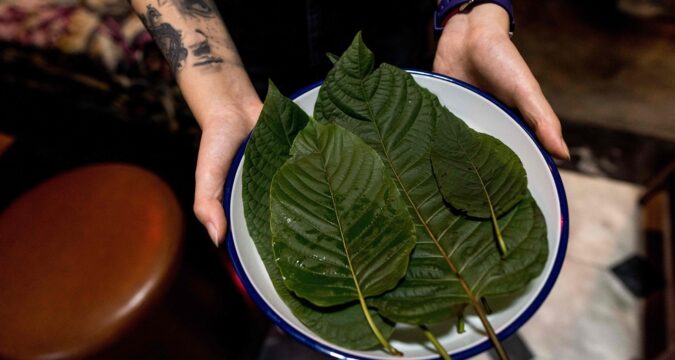
A few years ago, I started to try kratom products to help with my pain. It helped somewhat, but not enough to let me live the full, active life I’m determined to keep. Then, about six months ago, someone suggested I try a kratom-derived product called 7-hydroxymitragynine, or 7-OH. I was skeptical at first. But the relief it provided was real, sustained, functional relief, which shocked me. For the first time in years, I could move throughout my day with less agony and more dignity.
This is why Florida’s sudden push to ban 7-OH outright feels not just misguided, but cruel. And it’s why I’m speaking up.
Politicians talk all the time about the opioid crisis, the overdose crisis and the mental health crisis. Those crises are real. But there’s another one haunting millions of Americans every day: a growing war on pain.
Federal pressure is trickling down to states like Florida and misinformation is rampant. Most people don’t understand the difference between natural kratom plant alkaloids and synthetic lab-made drugs.
Let’s be clear about the facts: Natural kratom products, including 7-OH, are not the same as illicit synthetics. They are not street fentanyl. They are not lab-created copies.
7-OH is a naturally occurring alkaloid found in the kratom plant. The human body even converts traditional kratom into small amounts of 7-OH naturally. Banning 7-OH is essentially banning something nature already makes.
Does that mean regulation isn’t needed? Of course not. I support regulation. Every responsible kratom product consumer I know supports regulation. Testing, labeling, age limits, restrictions on mixing products and packaging standards are all reasonable safeguards.
But a ban doesn’t protect anyone. It only forces people back into the very behaviors policymakers claim they want to prevent.
I am one of thousands of Floridians who have found safer, plant-based relief through kratom products. Veterans, seniors, workers with chronic injuries and people managing trauma are among those who rely on kratom products, including 7-OH.
If Florida bans 7-OH, people like me will suffer. Some will go back to stronger prescriptions. Some will return to dangerous street drugs. And some simply won’t make it.
Florida lawmakers have the power to do the right thing and take a crucial next step: strengthen the regulations, but don’t eliminate the products. Regulate kratom products, enforce age limits, require testing, stop bad actors.
The war on pain needs to end, not because substances are risk-free, but because adults deserve compassion, honesty, and the right to make informed decisions about their own health.
David Negron of Orlando is an advocate for smart kratom regulation.