The first FDA-approved blood test to detect brain injuries is revolutionizing care in hospitals, on football fields, and in combat zones. A novel device, nicknamed the “Skim Reaper,” is helping police fight scammers that steal over a billion dollars annually from people using ATMs or gas pumps. And a breakthrough drug, Taxol, has been reshaping millions of women’s battle against ovarian and breast cancer. Florida universities helped pave the way for all three of these products.
But now, a Commerce Department proposal could prevent research discoveries like these from ever making it out of university labs.
As someone who spent nearly two decades leading Florida State University’s Office of Commercialization, I’ve seen firsthand how much effort, and money, it requires to turn a lab discovery into a tangible product — and how this process would be virtually impossible without the bipartisan 1980 Bayh-Dole Act.
The law allows universities to patent discoveries arising from federally funded research. Schools can then license those patents to small startups or established companies with the expertise and resources to turn early-stage science into real-world products that change lives.
Before Bayh-Dole, university inventions rarely made it to the public because the government — not the schools themselves — controlled the licensing process, a holdover from World War II. Federally funded discoveries in universities and federal labs mostly sat unused. The federal government licensed only about 5% of 28,000 patents on these discoveries.
After Congress passed the law, universities were empowered and incentivized to manage and license their own patents. However, no federal funding was attached to the law, so universities and federal labs had to use their own funds to jump-start the tech transfer and commercialization process — a financial and technical risk.
When these partnerships succeed, universities can earn licensing revenue that they reinvest into labs and classrooms. Meanwhile, companies gain access to groundbreaking discoveries, and Americans get lifesaving medicines and technologies.
The numbers speak for themselves. Across the country, over the last 30 years, academic patent licensing that overcame the risks has contributed $1 trillion to the U.S. GDP, supported 6.5 million jobs, and helped launch over 19,000 startup companies.
Florida, in particular, is excelling under the Bayh-Dole Act. Five of our institutions — Florida, South Florida, Florida International, UCF and Florida State — have been ranked among the world’s top universities for creating patented technology for the last eight years. Private institutions like the University of Miami are similarly highly ranked. In 2025, the University of Florida is setting new records, with over 130 licenses, nearly 860 material transfer agreements, and 455 patent applications.
That’s leading to more jobs, economic growth and innovation here in the Sunshine State. But that’s all now at risk.
A few months ago, Commerce Department leaders claimed that the federal government and taxpayers get “zero” returns on federally funded research in spite of the results stated above — and proposed that the government start taking half of universities’ licensing revenue from patents, that the schools paid for but arose from federally funded research, to recoup the cost of grants. Thus, taking half the reward, but none of the risk of the commercialization process. And if it is 50% this year, who’s to say it won’t be 75% in two years’ time.
That proposal would prove highly destructive. Many university tech transfer offices barely break even as it is — if the federal government slashes the revenue that universities receive, universities would likely have to scale back their licensing efforts. That would keep many discoveries from reaching Americans.
A study has shown the economic activity generated by university licensing across the country yields $33 billion in tax revenue — far more than the government could ever likely collect by trying to claw back royalties. Instead of saving taxpayers’ money, the proposal would slash federal revenue — and also cost American workers countless jobs and American consumers thousands of new products.
Florida’s university researchers are constantly making discoveries that could improve our health and help grow our economy, as are researchers in every other state. But unless the Commerce Department scraps this proposal, Floridians — and all Americans — will see far less of these research breakthroughs turned into market-ready products, saving lives and increasing U.S. corporate productivity worldwide.
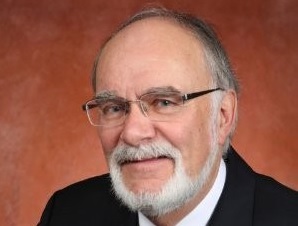
John Fraser, former executive director of commercialization at Florida State University, is president of Burnside Development, a consulting company.