Three-day weekends in the U.S. typically come with cookouts and cocktails.
But this Labor Day weekend, the entire U.S. alcoholic beverage industry could use a stiff drink.
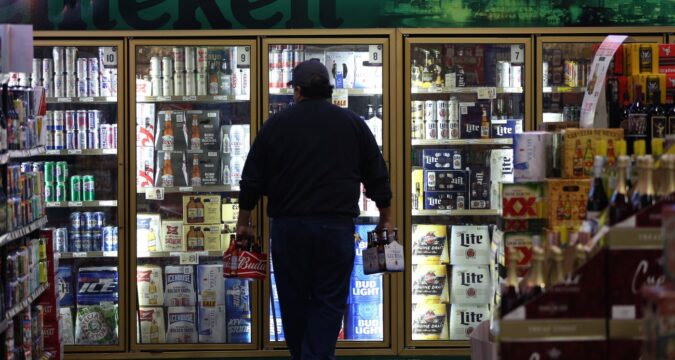
Sales of beer, wine and spirits are shrinking fast, as an aging population takes stock of increasingly alarming health findings, and an increasing share of younger generations just say no to imbibing.
Alcohol consumption among U.S. adults has hit the lowest level on record in nine decades of tracking, according to the Gallup survey organization.
Making matters worse for the industry, prices are set to soar because of tariffs being slapped on popular beverages from Europe and other foreign producers. In a letter to President Donald Trump, a trade group calling itself the Toasts Not Tariffs Coalition claims that higher EU duties will cost more than 25,000 American jobs and nearly $2 billion in lost sales. We suspect Trump, who once said avoiding alcohol was among his “only good traits,” will be unmoved.
Meanwhile, frustration over Trump’s destructive trade war has soured foreign customers on U.S. products, hurting exports. Canadian government agencies like the Liquor Control Board of Ontario — which manages the biggest single foreign market for U.S. drink products — have removed American products from their shelves and halted online sales.
On the health front, scientific findings have turned sharply against alcohol. Imagine the reaction in the boardrooms of Big Booze to a World Health Organization finding two years ago that no amount of alcohol consumption is safe.
The WHO report was grounded in up-to-date research that has prompted governments around the world to revise guidance downward. Canada puts the maximum threshold for “low risk” consumption at two drinks per week. Seven or more drinks per week, the equivalent of one per day, puts a typical adult at an increasingly “high risk” for cancer, heart disease, stroke and other dire ailments.
Remember that 1990s declaration that red wine is good for the heart? Consider it thoroughly debunked, at least until further notice.
In the face of this onslaught, the alcohol industry’s efforts to make drinking popular again have lurched into paranoia. Like Big Tobacco, the industry is dismissing legitimate research as “dubious science.”
A public relations consultant, probably lurking in a vineyard somewhere, has written that updated health guidelines warning against regular drinking amount to a U.S. government “attack on wine.” An executive for a distilled spirits group has warned darkly of “anti-alcohol activists” at work to bring about a “neo-Prohibition era.”
So are hard times for alcohol a cause for alarm or celebration? To some extent, both.
Americans should welcome the latest, most accurate health information to assist in making sound choices. And, let’s face it, a reckoning for alcohol is overdue. It’s hardly news that alcohol addiction and overconsumption have horrible consequences, from deaths on the road to broken families and sexual violence.
On the other hand, many American adults enjoy alcohol, consume it responsibly and weigh the health risks against the pleasure they get from it. This page is always skeptical of nanny-state experts telling people they need to make their lives perfect. The scolding usually backfires, and let’s not forget that Prohibition was a flop, especially in Chicago.
Our suggestion for the alcohol industry: Go where the market is taking you. Alcohol-free products are surging in popularity. In Germany, where beer is practically mother’s milk, a typical supermarket has a wall of shelves filled with no-alcohol brews that are nearly indistinguishable from the alcoholic versions.
While the U.S. is a little behind Europe in that trend, retail sales of alcohol-free adult beverages are booming here, too. Restaurants and bars across the country are cheerfully serving up mocktails, not to mention cannabis-laced concoctions.
A big strength of the alcohol business is its grassroots lobbying, and there’s plenty of room for improvement in the thicket of laws and regulations covering alcohol.
For starters, alcohol-free products should not be subject to the same strict rules that govern their alcoholic counterparts. If the government wants to incentivize Americans to reduce their alcohol consumption, then it’s counterproductive to discourage no-alcohol alternatives by imposing onerous taxes and distribution restrictions.
Similarly, with the industry under fire, there’s a strong incentive to chip away at antiquated laws that mostly protect entrenched incumbents at the expense of consumers and business innovators. It’s time to cut the red tape that prevents licensing new types of retailers, legalizing the delivery and takeout of alcoholic beverages from eateries and shipping products directly across state boundaries.
If you think those old-fashioned laws are irrelevant today, consider Chicago Wine Co., which lost a case earlier this month before the 7th Circuit Court of Appeals. The offense? Trying to ship fine wine from its Chicago-area operation to customers in Indiana.
In short, the industry needs less red tape and more imagination — because in the new era of drinking, moderation and innovation will be the real toast of the town.
Submit a letter, of no more than 400 words, to the editor here or email letters@chicagotribune.com.
https://www.chicagotribune.com/2025/08/29/alcohol-drinking-sober-cocktails-weekend-holiday/