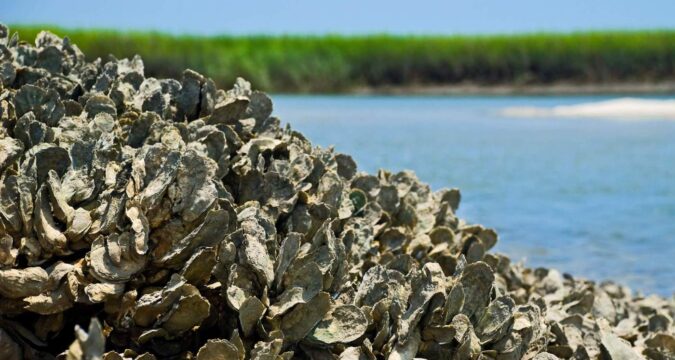
What better time could there be than September to celebrate recent news that the Chesapeake Bay Program has met — even exceeded — its goals for restoring native oyster reefs?
September is when cooling waters bring out the best in Virginia’s always delicious oysters, making them even tastier, plumper and firmer than ever.
It’s true that the 2014 Chesapeake Bay Watershed agreement does not directly work to produce oysters for harvest so that we can enjoy these scrumptious delicacies. But it’s also true that you can’t separate the concerted efforts to rebuild the bay’s sadly depleted oyster population from the continued success of its commercial oyster industry.
And the importance of oysters to the bay and the surrounding region goes well beyond their obvious value to the seafood, hospitality and tourism industries that are mainstays of the region’s economy.
Oyster restoration is an essential part of the Chesapeake Bay Program’s comprehensive efforts to clean up the bay because oysters offer a natural approach to saving the bay. They filter the waters, removing large amounts of the nitrogen pollution that promotes algal blooms and dead zones.
Their reefs help stabilize shorelines and prevent erosion and flooding, and provide ideal, protected habitat for many species of fish and crabs. Young blue crabs thrive there, leading to increased populations and more jobs and money for those who harvest them.
Back when English colonists were settling this region, the waterways were so filled with oyster reefs that they were a hazard to ships. Today, researchers estimate the oyster population is 3% or less of that past abundance.
But now oysters are rebounding. Four decades of commitment and hard work by Virginia, Maryland and the five other states and District of Columbia in the bay’s watershed, are making a difference. So are the funds, help and guidance from the federal government, academic institutions, and environmental and other nonprofit groups.
The 2014 agreement, expiring this year, is the latest in a series dating to 1987. Over the years, ambitious goals have been set — sometimes too ambitious, given the realities of politics, finances, the effects of climate change, and continued growth and development.
Some goals in the 2014 agreement have not been met. Leaders will meet this fall to draft another revision, hoping to adjust deadlines and priorities and make other changes that will help the region keep progressing toward a sustainable future for the bay.
The flourishing oyster reefs should help the overall push for a cleaner bay under any new agreement.
In the 2014 agreement, scientists targeted 10 waterways that feed the bay for oyster restoration projects. Five — the Lafayette, Plankatank, Lynnhaven, lower York and Great Wicomico rivers — are in Virginia, and the eastern branch of the Elizabeth River was added in 2019. The other five streams are in Maryland.
Plans were developed to meet the conditions at varying locations. Some existing reefs were “seeded” with spat — oyster larva — already on shells. Sometimes reefs were built so that spat floating in the area could find a home. Sometimes reefs were built and seeded.
To give the oysters a chance to grow, thrive and reproduce, the areas have been closed to harvesting. But there’s a bonus: Oyster larvae float, and as oysters become more abundant, some larvae find their way into other creeks and rivers.
Experts monitor the progress, and the success they are recording is indeed great news.
As always with the bay, meeting these goals for restoring oyster reefs does not mean the job is finished. Program leaders will soon be hammering out goals and timelines. Continued efforts will be needed to maintain improvements and tackle new threats. Restoring and protecting the bay must be a continuing process.
That process will need ongoing support and funding from the federal and state governments, academic institutions, environmental and other nonprofit groups and volunteers.
The goal of a sustainable Chesapeake Bay with all the benefits it brings to our lives — including those delicious oysters — is well worth the effort.