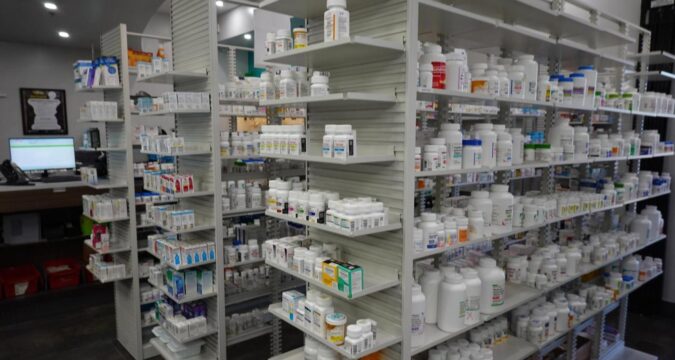
Gower’s Drug Store, the neighborhood pharmacy in “It’s a Wonderful Life,” didn’t fare well in George Bailey’s nightmarish alternate vision of his town’s future. Unfortunately, real-life pharmacies like it are suffering similar fates today, thanks in part to miserly insurance industry practices that would have made Old Man Potter proud.
In the past five years, nearly 10% of the community pharmacies in Virginia have gone out of business, according to a new report from the commonwealth’s Joint Commission on Health Care, leaving 22 localities with only one or no independent pharmacies. Six have been without any pharmacy — independent or part of a chain — in the past decade.
In Hampton Roads, these closures have included MacArthur Pharmacy, Colley Pharmacy and Barr’s Pharmacy in recent years. Each had been in operation for decades, and Barr’s had been serving customers for nearly a century. In addition, chains such as Rite Aid, Walgreens and CVS Pharmacies have closed stores around our region.
The decline in pharmacy locations creates challenges for consumers. Many face longer drives to and longer lines at the remaining drug stores and, in the case of community pharmacies, a loss of a personal touch that had long made independents a mainstay nationwide.
Community pharmacies still account for about 36% of all retail pharmacies in the United States, according to the National Community Pharmacists Association. Collectively, that’s more than any one pharmacy chain. But the number of community pharmacies is dwindling, as are the average number of daily prescriptions filled.
From mid-December 2024 to this past February, 237 community pharmacies have closed nationwide, according to the American Economic Liberties Project.
That group — and others, including Virginia’s Joint Commission on Health — point to challenges that pharmacies face keeping up with rising operating costs. Increased drug prices have often outpaced inflation, and pharmacies are also under pressure to increase pay for pharmacy technicians, whose median salary is now $40,000, to keep enough staff.
Much of the blame for the demise of community pharmacies lies with pharmacy benefits managers, according to the state commission and other analysts. These PBMs are hired by insurers to manage prescription drug benefit plans for companies ensuring their employees. They set reimbursement fees for prescriptions dispensed by pharmacies.
The reimbursement fees are meant to cover the cost of drug ingredients and a professional dispensing fee for the pharmacies, but the National Community Pharmacists Association and others say PBMs aren’t providing nearly enough.
“We heard nearly unanimously from stakeholders that revenue generated by pharmacies through reimbursement fees is not keeping pace with the cost of pharmacy operations,” Jen Piver-Renna, deputy director of the commission, recently told legislators and state officials who serve on the panel.
Because independent pharmacies often have tighter operating margin, they’re less able to cope with reimbursements that fail to match expenses.
In its last session, the General Assembly passed legislation directing the Department of Medical Assistance Services to assign one PBM to administer pharmacy benefits for the state’s Medicaid recipients. Although that reduced the influence of PBMs, it didn’t set a minimum fee or certainly resolve the problem entirely.
In November, the commission commendably went further and recommended multiple changes, including setting up a pilot program to fund pharmacies in localities that lack options for consumers. Additionally, more state help would be provided to charitable clinics and community health centers.
Other recommendations included a proposal that the state set a minimum reimbursement fee for pharmacies and examine setting one for non-Medicaid prescriptions as well. Although some state lawmakers may be loath to interfere with private enterprise, it’s imperative for the General Assembly to ensure everyone has sufficient access to prescription drugs, especially for Medicaid programs administered by the state.
While the state commission has closed its comment period about pharmacy needs, advocacy should continue. Hampton Roads should look to the upcoming General Assembly for answers and action so lawmakers can find ways to ensure adequate access to prescription medication.