Many Central Floridians know what it’s like to live paycheck to paycheck. To decide what gets paid first — utility bills, rent or child care. To watch their bank balance dwindle, and pray to hang on until the next check hits. Every. Single. Month.
Even among those who now occupy jobs with comfortable salaries and comprehensive benefits, many remember how harrowing but familiar that monthly negotiation was, particularly if they were responsible for the well-being of children, seniors or others who looked to them for support.
Now imagine what it’s like to be close to that critical month-end deadline and realize that a big part of next month’s income won’t be coming in. There will be no top-up of the money you need to buy food for your children, including your baby’s formula — $40 a can. The Head Start program that cares for your older kids after school will be shutting down as of Monday; if you can’t find an alternative, you’ll have to miss work. That will mean losing out on hours and pay you need to save even a slim hope of making it through the coming weeks. Another program that sends a small check each month toward air conditioning bills will dry up as well.
What are you going to do?
For most Floridians struggling to live in poverty, that question has no answer right now — just a blind, desperate hope that everything will work out. They have no say in the pitiless budget standoff that is bringing the federal government to a slow and grinding halt, crushing the most vulnerable Americans first, and thoroughly.
Starving families, seniors
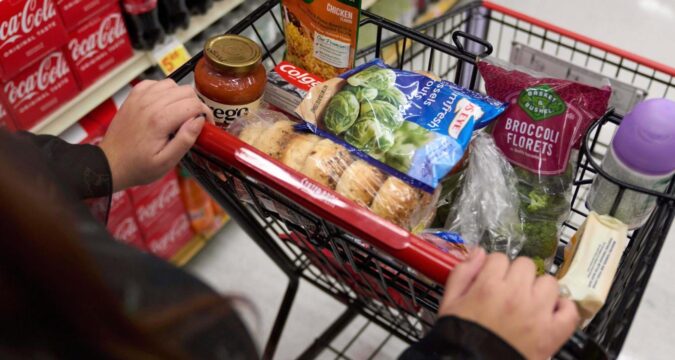
The first programs to shrivel: Food stamps, officially known as the Supplemental Nutrition Assistance Program or SNAP. Without a budget agreement that reopens the federal government, benefit cards won’t be reloaded on Nov. 1 — Saturday. That will impact around 500,000 people just in Orange, Osceola, Seminole, Brevard, Lake and Volusia counties. As of Wednesday afternoon, it appeared that another important national food program — known as Women, Infants and Children — would get stopgap funding. Otherwise it would have shut down on Monday as well.
Two dozen Democratic governors have sued the federal government, demanding that SNAP continue to operate using funding from a $5 billion pool of emergency money. The Trump administration insists that a nationwide food stamp shutdown that leaves millions of Americans struggling to afford sufficient food doesn’t qualify as an emergency. Five minutes with desperate parents or bewildered seniors as they watch their SNAP cards declined might convince them otherwise.
It’s almost certainly not a coincidence that the administration shut down the nation’s most authoritative assessment of hunger in the United States, which was set to be released early next month. If there is no official count, who can say that Americans are suffering from drastic cuts to food assistance?
The answer to that is “well, everybody.” Americans will see the evidence in pleas from overburdened food banks and parents who are obviously skipping meals so their kids can eat.
Beyond hunger
But there’s more bad news to come. A program that helps subsidize electrical bills for people who couldn’t otherwise afford to air condition or heat their dwellings is also shut down — along with Head Start, sending parents scrambling for child care. And it gets worse. If the stalemate continues, the Section 8 vouchers that keep very low-income families from becoming homeless will probably run out within a few weeks.
Next week was also supposed to be the first week of enrollment for health insurance under the Affordable Care Act, aka Obamacare. As we noted Wednesday, that program is one of the biggest factors in the current shutdown. congressional Democrats want to maintain subsidies that help keep policies affordable for the millions that depend on it for coverage — including 1.1 million Floridians. The GOP has already voted to roll back that funding, which will send policy costs skyrocketing out of reach for low-income working families. Republican leaders have been pretending that ACA policies are a key source of coverage for undocumented immigrants. That’s a cruel fantasy, but it’s fueling an effort to kill off a program that’s popular and heavily used.
There are other issues, of course, but Democrats have made it pretty clear that a reasonable, compassionate offer on ACA funding would probably end the stalemate. Meanwhile, local leaders including Orlando-based congressmen Darren Soto and Maxwell Alejandro Frost are documenting their constituents’ struggles to make ends meet.
But averting a health-insurance crisis would solve just one of the long-term threats awaiting low-income families and seniors on the other side of the shutdown. The administration wants major changes to SNAP and Medicaid that will require recipients to work if they are able, promising job training and support for work requirements. The reality is this: Support for job-seekers never lasts long, leaving mandates that would force people across the country to take low-paying, dead-end jobs if they want to keep eating. That may sound appealing to some, but it could devastate many seniors and families with small children.
And as Politico reported this week, even congressional Republicans are worried about the administration’s planned transformation of federal anti-homelessness programs. The plan: Back away from the goal of getting unsheltered people into permanent housing, and move toward a proliferation of short-term “transitional” shelters that offer little help toward lasting stability for those without a home.
It’s realistic to worry that Trump and GOP leaders have other key anti-poverty programs in their sights, including the way Medicare, Medicaid and the state children’s health insurance program are funded. But sufficient unto this day are the evils we already know about — and the clear picture that is emerging: Trump and select congressional Republicans are set on balancing their budget books on the backs of this nation’s most vulnerable citizens. And they don’t think anyone can stop them.
If Americans don’t speak up now, millions could suffer in ways that will ripple through all levels of this nation’s economy. This exploitation of low-income Americans for political gain is nothing less than shameful.
The Orlando Sentinel Editorial Board consists of Opinion Editor Krys Fluker, Executive Editor Roger Simmons and Viewpoints Editor Jay Reddick. Use insight@orlandosentinel.com to contact us.