It’s Oct. 10, and Cook County still hasn’t issued property tax bills, which were due in August. That’s not a surprise given that the county some weeks ago warned the bills could be delayed until the end of October or longer due to computer-related problems.
But it was a bit of a surprise to us to learn there’s no updated timetable county officials are willing to provide now that we’re nearing mid-October.
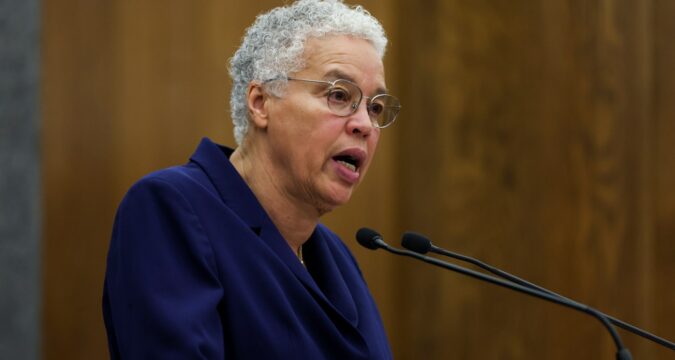
We met on Thursday with Cook County Board President Toni Preckwinkle and a number of her top staffers to hear about her proposed budget for the coming fiscal year. We’ll provide our impression on that important subject below. But what’s foremost on our (and most Chicago-area homeowners’) minds is when those bills will be finalized, letting folks in Chicago at last see the extent of the tax hikes likely coming their way from the just-completed triennial reassessment of the city’s property values and dispersing sorely needed property tax revenue to municipalities and schools throughout Cook County.
We asked. And all we got was, “Soon.”
We pressed Jim Thompson, director of property tax policy in Preckwinkle’s office, on a more precise timetable and he wouldn’t commit to one.
Likewise, Thompson said the technology vendor, Texas-based Tyler Technologies, is in the late stages of finishing an overhaul of Cook County’s outdated computer system. Tyler’s well-documented shortcomings over more than a decade have led to cost overruns and delays, including the distressing delay in the property tax bills. But, again on the question of the broader project completion, Team Preckwinkle was highly reluctant to offer an estimate of when the county could rely entirely on the new system rather than continue to operate the old mainframes containing all the county’s data.
Support for that old system ends in July of next year, so that provides a deadline of sorts for completion of the job.
The county has recognized the burden it’s imposing on municipalities and to its credit last month created a fund that those taxing bodies can access to manage their cash needs while they wait for those property tax revenues. The loans to these municipalities are interest-free, and 28 have applied for the lifelines, we were told. The program will cost Cook County about $1 million.
But that doesn’t help larger taxing bodies like financially beleaguered Chicago Public Schools, which as we’ve said is paying millions in additional interest on an existing line of credit to pay its bills while awaiting the property tax infusion. By the end of this month, if property tax bills still aren’t ready, CPS will have paid at least $10 million in interest as a result.
The uncertainty doesn’t reflect well on Tyler or on Cook County’s continuing management of this project. And we weren’t heartened to hear that Cook County will be stuck with Tyler even after the work is done because the vendor will be tasked with servicing and maintaining the system.
On the budget itself, taxpayers will be happy to hear that the county balanced its $10 billion budget without resorting to increases in taxes, fees or fines. Preckwinkle’s ability to hold the line on county property taxes over her long tenure as board president no doubt will be a focal point of what is shaping up to be a tough reelection campaign against Chicago Ald. Brendan Reilly.
Offices critical to maintaining public safety — the Cook County state’s attorney and the chief judge’s office — are budgeted for needed staffing increases. That’s positive even though Preckwinkle’s frosty relationship with Cook County State’s Attorney Eileen O’Neill Burke, a law-and-order prosecutor whom Preckwinkle didn’t endorse in the 2024 election, shows little sign of thawing. Preckwinkle declined to say whether she thought O’Neill Burke was doing a good job and refused to give her any credit for the decline in violent crime since she took office nearly a year ago.
Preckwinkle’s team conveys understandable alarm about what federal health care cuts will mean for the county’s massive health care system, which serves as provider of last resort in our region. We’ll likely have more to say about that in the near future.
This much we can say for sure right now: Next year at this time Cook County better not be talking anymore about computer systems, subpar vendors and late property tax bills.
Submit a letter, of no more than 400 words, to the editor here or email letters@chicagotribune.com.