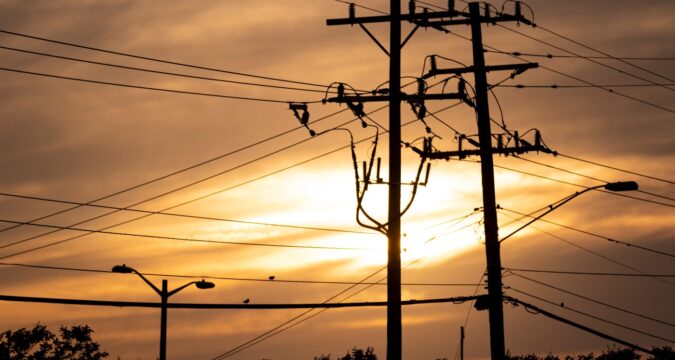
Virginians could pay upwards of $1,100 more on energy bills each year by 2040, according to a new report from the Center for Energy & Environmental Analysis.
Researchers from the center, a nonpartisan think tank based in Virginia, used public energy forecasts and data to calculate the costs. According to the report, electric and gas bills for a typical Virginia household could go up by $1,115 annually above inflation within the next 15 years.
Researchers said the spike can be attributed to a number of factors. Of the $1,115 increase for consumers, lead author Jeremy Symons said $295 comes from a decrease in renewable energy incentives, $440 comes from the increase in energy demand by data centers, and $380 comes from the cost increase for natural gas. The report links the natural gas cost increase to an increase in the amount of U.S.-produced gas shipped overseas as liquified natural gas.
Virginia is at an “energy crossroads,” Symons said. He said Virginia leaders can choose to invest in renewable energy like solar and wind to bring costs down, or they can continue to depend on gas.
“Electricity bills are skyrocketing because Virginia has tripled its reliance on natural gas in the past decade,” said Symons, who is also president for the center. “Big oil, gas and tech companies have set their sights on Virginia in search of big profits, and that means higher energy bills for everyone from the Blue Ridge Mountains to the Chesapeake waters.”
Virginia Natural Gas has been working to make upgrades to their pipelines through the Steps to Advance Virginia’s Energy initiative, the company’s effort to meet growing energy demands. Earlier this year, VNG proposed a rate hike amid that growth, and a spokesperson told The Virginia Mercury the requested rate increase is driven by the substantial investments needed to improve the operations, safety, reliability and resiliency of its system.
On the electricity side, Dominion Energy’s Integrated Resource Plan outlines the provider’s plans to meet demands, which takes an “all-of-the-above” approach. This includes the Coastal Virginia Offshore Wind Project, a large-scale offshore wind project off the coast of Virginia Beach. The plan also details plans for more solar power, about 12,000 megawatts, and “small modular nuclear reactors” in the 2030s. About 20% of the plan’s incremental power generation will come from natural gas.
Federal policy is also having cost impacts on energy bills, the report concludes. The Trump administration has made moves to end several renewable energy tax credits. The clean vehicle tax credit worth $7,500 for new electric vehicles and up to $4,000 for used electric vehicles expired Sept. 30. Other clean energy credits, such as credits that prioritize rooftop solar and other home energy improvements, expire at the end of the year.
“Virginia can make energy more affordable by avoiding over-reliance on oil and gas and instead building abundant energy resources like solar, wind and batteries in Virginia that aren’t controlled by global oil and gas companies,” the report states. “Virginia also needs to manage data center growth and ensure the demand load from new development diversifies Virginia’s energy supply, protects consumers and doesn’t add to air pollution burdens for Commonwealth communities.”
Some Virginia communities struggle more than others with unaffordable energy bills and there are a variety of assistance programs available to help residents afford utilities.
But in the near future, electricity could cost more. The State Corporation Commission is also currently reviewing a rate increase request by Dominion Energy that could raise customers’ bills by $21 a month over the next two years. In its application for the rate hike, Dominion cited rising inflation and costs of equipment and fuel, as well as the highest levels of demand growth in decades.
Eliza Noe, eliza.noe@virginiamedia.com
https://www.pilotonline.com/2025/10/09/energy-bills-virginia-increase/