February marks two significant observances for many residents of South Florida — Black History Month and National Cancer Prevention Month.
Though distinct in their own right, the observances intersect on many levels. In fact, new data shows colorectal cancer is the leading cause of cancer-related deaths for those under the age of 50 in the United States, and the sobering reality is that Black populations experience higher rates of colorectal cancer than other populations. This is due to a complex mix of systemic, environmental and biological factors.
Dr. Ernesto Fonts is an inpatient hospitalist attending in Miami. (courtesy, Ernesto Fonts)
According to American Cancer Society findings, African Americans continue to face the highest colorectal cancer burden, with a 20% higher incidence and 40% higher mortality rate than most other groups. Key drivers include reduced access and quality of screening and care, higher rates of comorbidities, and disparities in diet and lifestyle. Some of the difficulty in access is attributable to reasons that are straightforward: inconvenience, time or transportation.
As a hospitalist, I have seen firsthand what delayed detection looks like for patients in this demographic. For some, cancer isn’t diagnosed until it reaches an advanced stage, which makes treatment more invasive, more expensive and less effective. This is in stark contrast to colorectal cancer caught in its early stages, which is among the most treatable types of cancer. That is why accessibility in screening is important, especially for patients who often encounter unique logistical and health challenges.
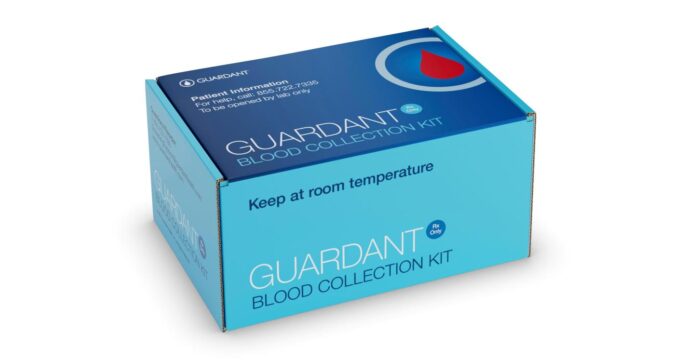
Fortunately, the screening landscape is evolving. For example, the Shield test, the only blood test FDA-approved as a primary screening option for adults 45 and older at average risk that is also covered by Medicare, is helping patients screen for colon cancer by offering a more accessible, comfortable and less invasive method for screening. No fasting, no dietary restrictions, no bowel prep. Just a blood draw. The Shield blood test is covered by Medicare, Medicaid and the U.S. Department of Veterans Affairs (VA) Community Care Network, thereby bypassing financial constraints for many. Any patient over age 45 and at average risk of colorectal cancer is eligible.
I encourage our neighbors and historically underserved communities to talk to their health care providers about options for completing their medical check-up. This is important, as colon cancer, when caught in its early stages, has a five-year survival rate of 91%.
Colonoscopy remains the gold standard for colon cancer screening. Colonoscopies and stool-based screenings remain essential and offer the best rates of colorectal cancer detection. However, blood-based tests like Shield provide a critical alternative for those who might otherwise delay or skip screening altogether. A screening is only effective if it gets done. And for many patients, blood tests may be that screening.
Expanding screening options for patients not only helps individuals but also strengthens the entire health care system by addressing often-overlooked social determinants of health. Missed or delayed diagnoses can lead to more complex and costly care later. By making screenings more accessible, we improve health outcomes and use resources more efficiently. Indeed, innovation in medicine must go hand in hand with improving usability.
As we observe Black History Month and National Cancer Prevention Month, let’s consider how we can break generational cycles in minority communities and work towards a more thriving, healthy future. As a physician, I encourage patients to discuss with their doctor which cancer screening method is best for them. Let’s use every available tool to detect colorectal cancer, treat it more effectively, and save lives.
Dr. Ernesto Fonts was born and raised in Miami, attended Georgetown University School of Medicine, and is currently working as an inpatient hospitalist attending in Miami. The views expressed are those of the author and do not represent the views of the U.S. Department of Veterans Affairs or the United States government. Mention of any commercial product does not imply endorsement by the VA.
https://www.sun-sentinel.com/2026/02/24/expanding-colon-cancer-screening-saves-black-lives-opinion/