Norfolk casino
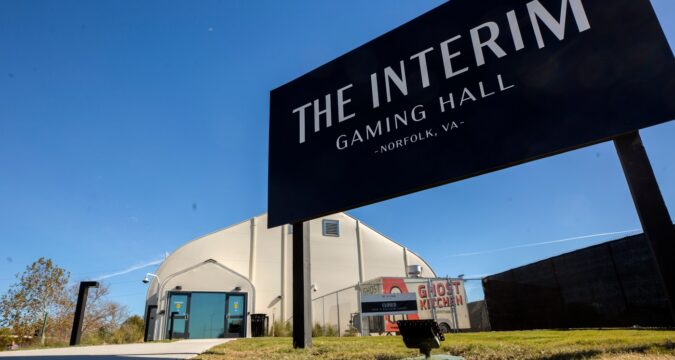
Re “Curious gamblers visit temporary casino” (A1, Nov. 8): I noted that in recent news that a temporary gambling tent is set up in Norfolk while plans continue to build a casino along the riverfront. In the past, Norfolk spent millions on construction of a mall and hotel over public objections The mall now sits mostly empty.
Rather than using our taxes to support developers in constructing a new casino, it would be far more practical and less costly to put that revenue into creating a casino in the mall spaces left by closed stores. There is also room for restaurants and entertainment venues in the mall, along with the parking, architecture and connected hotels that would revitalize our downtown.
Al Markowitz, Norfolk
Wake-up call
Re “Zwerner awarded $10M” (A1, Nov. 7): The Nov. 6 verdict in the trial involving the young Richneck Elementary student who shot his teacher, Abby Zwerner, was a welcome bellwether for elementary school teachers and a wake-up call to society based on facts and lack of responsibility. This young teacher was responsible for not only educating but also managing the behavior of a first grade class.
Throw into the mix at least one student with severe social and behavioral issues and access to a weapon.
In most lower income elementary schools, resources do not match needs. Teachers must jump through hoops to refer students to an intervention team who offer lengthy intervention plans, which typically are conducted solely by the classroom teacher.
Here are some other contributing factors:
Administrators have stopped supporting staff. Excuses are made for bad behavior.
Data rules the day. Principals and assistant principals are obsessed with looking good on paper. Some fudge behavior reports. Some try to lower special education numbers by removing students. I witnessed this in my own school.
Lawyers get involved. Administrators are afraid of being sued by parents.
iPads replace parenting and parents are not held accountable.
More training for teachers is not the answer. Put accountability, integrity and common sense back into the schools before all the teachers leave.
MaryAnn Jolly, M.S. early childhood education, Virginia Beach
Clean energy
Recent research on large scale clean energy projects across the United States paints a troubling picture of America’s clean energy future. In September alone, private companies canceled $1.6 billion in new clean energy investments — wiping out 2,812 jobs. Since the beginning of 2025, these losses have climbed to $24 billion and 21,000 jobs nationwide.
The cancellations are no coincidence. They come directly in the wake of Republicans’ tax and spending bill passed last summer, which rolled back important clean energy tax credits.
The incredible clean energy momentum in place prior to these cuts is now steadily unraveling.
Policy rollbacks under the current administration, particularly the removal of clean energy incentives, is undermining one of the fastest growing industries in both our state and across the country. The impacts are felt across the board: in supply chains, manufacturing hubs and rural economic opportunities.
Despite these headwinds, Virginia must stay the course on clean, affordable energy, which will help us build a healthier, safer and more reliable energy future while expanding our workforce. Renewable energy has proven it can deliver jobs, innovation and economic growth in communities across the country while cutting energy costs. We must usher in legislation that safeguards this critical industry to Virginia’s status as a leader in sustainable innovation.
With the Trump administration’s continued push to maintain reliance on outdated, dirty and expensive energy sources, Virginia must push back and stay the course on a clean energy future.
Nathan Goldin, Virginia Beach