People don’t die or get seriously maimed on theme park rides in Orlando very often. But it does happen.
And most every time it does — whether it’s the death of a roller coaster rider, a child suffering a mangled foot or a water-slide rider reporting a fractured pelvis — people ask the same question: So which agency is in charge of ride safety at theme parks and making sure the public knows precisely what kind of injuries occurred?
The answer: None. Which is exactly how the theme parks want and get the system to work, thanks to the campaign checks and freebies — everything from park tickets and meals to comped rooms and VIP tours — they give to the politicians who control their fate.
Of course, the politicians and parks don’t acknowledge this transactional relationship. Instead, they claim the parks don’t need much oversight because it’s in their own interest to protect their guests. This talking point was repeated in Sunday’s Orlando Sentinel by an industry expert and consultant who said: “It’s very bad business to hurt or kill your customers.”
That, my friends, is a total crock of an excuse. And you know it. Theoretically, it’d be bad business for any company to peddle products that aren’t 100% safe. Yet, as a society, we don’t simply trust and hope for the best. We regulate everything from restaurants and grocery stores to airlines and cars.
Sure, it might theoretically be “bad business” for a pharmaceutical company to sell prescription drugs with dangerous side effects. But we don’t just say: Sell whatever you want, and if your customers die, we’ll just let the free market sort itself out.
Instead, we demand safety. And we’ve been doing so for more than a century, since even before 1906 when Upton Sinclair’s “The Jungle” exposed gross and dangerous conditions in America’s meat-packing industry and the government responded with regulations.
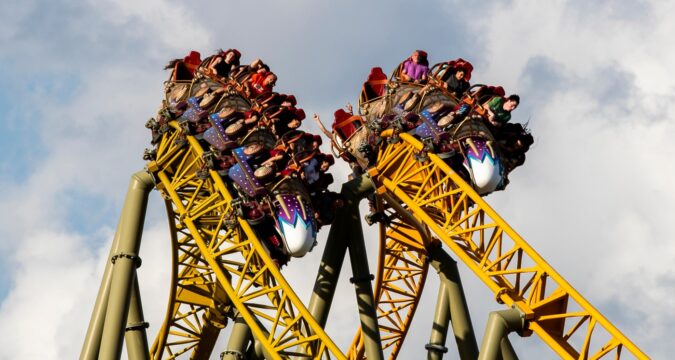
The most recent incident to reignite the theme park debate involves the death of 32-year-old Kevin Rodriguez Zavala, who used a wheelchair and died from “multiple blunt impact injuries,” according to the Orange County medical examiner, after he rode Epic Universe’s new Stardust Racers coaster.
Coaster death reignites debate over Florida’s regulation of theme parks
Universal says the ride operated properly. The family has retained legal counsel. An investigation by the Orange County Sheriff’s Office is ongoing.
We still don’t have all the facts about this case. And there’s little evidence to suggest theme park rides are generally dangerous. Research by the U.S. Consumer Product Safety Commission estimated only around four deaths per year on rides — a pittance when considering millions of people who board them. And a number of the deaths seem to involve pre-existing conditions, such as a heart attack a passenger might’ve suffered elsewhere anyway.
The biggest problem in my mind, though, is that consumers in Florida don’t have access to detailed information about the injuries that do occur, thanks to the state allowing vague injury reports from the parks.
When Orlando theme parks self-report ride injuries, details can be left out
As the Sentinel has detailed in multiple investigations through the years, the state’s system allows ridiculously nebulous reporting. Like Universal describing an 11-year-old’s crushed foot as “leg pain.” Or Disney using the phrase “felt ill” to describe a guest who collapsed and needed brain surgery after a ride, according to a lawsuit.
A Sentinel editorial effectively summed up the issue a few years ago, saying: “You have a far better chance of getting hit by lightning than being injured on a theme park ride in Central Florida. You also have a better chance of getting hit by lightning than finding out just how safe those rides are.”
Theme park ride safety needs a transparency overhaul | Editorial
Other states, including California, where Disney and Universal also operate parks, require more disclosure.
My contention has always been that Florida should require detailed disclosure on all ride-related injuries, even if a park reaches a settlement with a customer. You shouldn’t be able to buy your way out of transparency.
Most every time this issue gets back into the spotlight, Florida politicians from both parties respond by agreeing that accountability is needed … and yet then not demanding it.
Disney, Universal file vague injury reports. Florida lawmakers let them | Commentary
That’s partly because the theme parks shower the politicians in cash — millions of dollars to candidates, committees and both the Republican and Democratic parties — as well as gratis for lawmakers in the form of meals, hotel stays and park tickets.
Technically, it’s illegal for public officials to accept gifts from corporate interests that need legislative favors. But in one of the most ridiculous loopholes in Florida politics, the parks often give the freebies to the parties, which then give them to the politicians. It’s legalized laundering that ensures the parks get everything from huge tax breaks to lax ride regulation.
Universal Orlando gives legislators $168k in freebies, gets millions in tax breaks | Commentary
Perhaps no anecdote better illustrates how the parks escape accountability thanks to their cozy relationship with lawmakers than the battle royale between Gov. Ron DeSantis and Disney a few years ago.
For years, the two had gotten along swimmingly. Disney cut big checks to GOP causes, and DeSantis was happy to let the park escape ride regulations and even have its own special governmental district.
But then, after the two were at odds over DeSantis’ anti-LGBTQ agenda and Disney announced it was ceasing political donations, DeSantis started making threats — one of which was to force Disney (and only Disney) to undergo tougher ride regulations.
Yes, one of the harshest punishments the governor threatened was reasonable ride-safety inspections.
Disney ultimately backed down and started cutting campaign checks again to both parties, and the governor’s threats for more stringent safety regulations disappeared.
So now we’re back to where we’ve always been — with the politicians happy to let the parks largely self-regulate and self-report on customer safety in a way few other industries are allowed.
In 2023, Gov. Ron DeSantis threatened Disney with new ride-safety regulations — rules that would only apply to Disney, not other theme parks. But after the Disney and DeSantis made nice and the company resumed political donations in Florida, that threat disappeared. (Joe Burbank/Orlando Sentinel)
https://www.orlandosentinel.com/2025/10/07/universal-coaster-death-florida-ride-regulations/