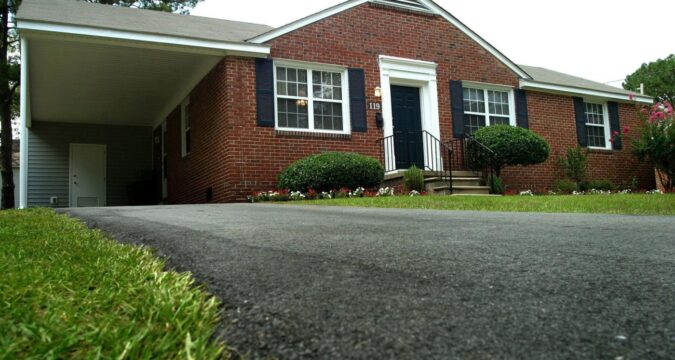
A survey last month of service members living in military housing drew nearly 3,400 respondents who cited at least one significant or dangerous issue in their homes.
The online survey by the nonprofit Change the Air Foundation — which advocates for improved air quality — attracted respondents from all four military branches and the Coast Guard from 57 installations across 30 states and the District of Columbia. It sought answers to an online questionnaire rather than through random sampling.
About three-quarters of respondents said the health of family members had been negatively affected by housing issues.
The findings echo the conclusions of federal watchdogs in recent reports.
In a 2023 report, the Government Accountability Office detailed squalid living conditions in military housing, such as overflowing raw sewage, mold and rodent infestation.
An audit this year by the Defense Department Office of Inspector General that looked at seven installations managed by a private entity found lax inspection protocols led to families moving into homes that had unresolved health and safety hazards.
The new survey report contains several dozen excerpts of comments made by respondents concerning their experiences.
An active-duty service member in Texas, not identified by name, said his family’s housing experience “financially leveled us.”
“We left military housing after over a year of being displaced, having been placed in three homes that contained toxigenic molds, and walked into a rental off post with nothing but a week’s worth of clothing,” the service member said.
“We ended up having to sell our home in our home state to pay for basic furniture and begin treatments. We have never recovered.”
Two-thirds of respondents said they had mold problems and felt “stuck without further options.”
Almost half the respondents reported housing-related issues had affected their “ability to perform duties and maintain mission readiness.”
Parents answering indicated housing problems had led to changes of mood or anxiety in their children, specifying respiratory, skin and sinus problems as being most common.
An active-duty service member in Texas told the survey that while living in military housing “my kids were regulars” at the local urgent care with breathing problems and chronic congestion.
“Once we moved everything cleared up,” she said. “They haven’t had any issues since we left that house.”
The findings illustrate a housing system failing those it is intended to support, according to the survey’s executive summary.
“The widespread prevalence of hazardous conditions — paired with unresolved maintenance requests, declining physical and mental and cognitive health, and the heavy burden placed on families — shows the current model is neither sustainable nor acceptable,” the summary states.
The foundation contends that a major step in improving military housing would be to provide service members with reliable housing condition records.
“For years, military families have lived in homes with no clear history of past repairs, unresolved issues, or environmental risks,” the survey report states. “Without a transparent, verifiable trail of repairs, families are forced to navigate problems blindly, often discovering hidden hazards only after their health or belongings have already been profoundly affected.”
https://www.pilotonline.com/2025/11/24/military-housing-problems-survey/