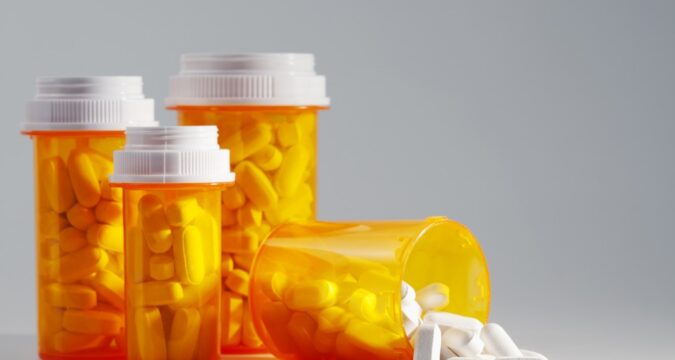
Over the past 15 years, Connecticuters have disposed of more than 101 tons of prescription medications through the Drug Enforcement Administration’s biannual Prescription Drug Take-Back Day. In fact, just over 5 tons were collected at 73 participating locations this past April – about the weight of an elephant. As one of the healthiest states in the country, it makes sense that residents of the Nutmeg State would recognize the importance of properly disposing of unused, unwanted, or expired medicines through these twice-yearly events. But with the next take-back day not until October 25, what should residents do before then?
Thanks to MyOldMeds.com, year-round secure medicine disposal is free, convenient, and easy. The Pharmaceutical Product Stewardship Work Group, which I lead, promotes the responsible use, storage, and disposal of household medicines. To that end, we manage a database of over 32,000 secure disposal options in communities nationwide. We’ve even created a locator tool that identifies disposal options within a 5 to 50-mile radius just by entering a zip code. This database is verified and updated twice a year to ensure you have reliable information.
Connecticut offers more than 350 disposal options throughout the state. Many locations feature simple, secure drop-off kiosks, while others provide pre-paid mail-back envelopes or in-home disposal kits. They’re often located in convenient locations that you may already pass every day, like pharmacies, medical centers, and police stations. There’s no need to go out of your way— just incorporate it in your routine the next time you run errands.
Responsible medicine management is a year-round practice that starts at home with proper storage and use. Establish a routine of regularly checking the dosage instructions on the label or in the pamphlet in detail – even for medicines you take regularly, as the instructions may have changed. Reading and following these instructions will also help ensure the effectiveness of your medications. These labels also include recommendations for safe storage at home. Whenever possible, store medicine in a cool, dark place out of reach of children and pets. Both prescription and household medicines can lose their effectiveness due to changes in chemical composition. In rare cases, some medicines can become toxic when exposed to light, humidity, or extreme temperatures.
When medications are unused, expired, or simply no longer needed, many people feel reluctant to get rid of them. Holding onto them “just in case” may seem practical, but it can lead to unintended consequences. Proper disposal ensures that medications are used safely and only when truly necessary.
It is recommended to clean out your medicine cabinet every six months. But don’t stop there. Check night stands, junk drawers, backpacks, or purses as well. For the expired or no longer needed medicine, the FDA recommends using secure drop-off locations, like the ones on MyOldMeds.com, as they are the best option. Medicine disposed of at these locations is secure and inaccessible until it can be safely incinerated.
While DEA Take-Back Day is a valuable reminder, PPSWG and MyOldMeds are working to make medicine disposal a part of our everyday routines. We’re raising awareness of the resources available in Connecticut and across the country, and we hope you’ll help. Visit our Connecticut resource page for tips on how to discuss this with your friends and loved ones, or use some of the resources in our toolkit to share it on social media. With a few weeks until the next official take-back event, now’s the perfect time to act. Safe disposal is just a short drive—or a few clicks—away.
Irina Butler is the executive director of the Pharmaceutical Product Stewardship Work Group.