UBS CEO Warns Swiss Population Cap Is An ‘Extreme’ Measure
A proposal headed for a June 14 vote in Switzerland made headlines for seeking to place a hard cap on the country’s permanent resident population at 10 million through 2050.
The vote is also being watched as a referendum on immigration pressure in Europe more broadly. UBS CEO Sergio Ermotti has caught the vapors over the idea, describing it as an “extreme” measure that fails to address the country’s underlying challenges.
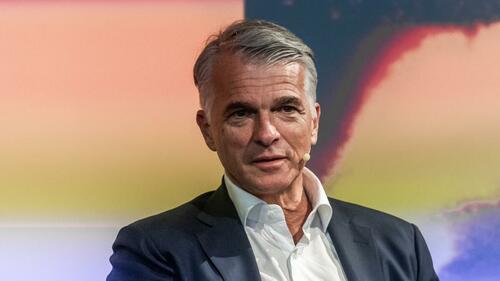
UBS CEO Sergio Ermotti (photo: Chiara Zocchetti )
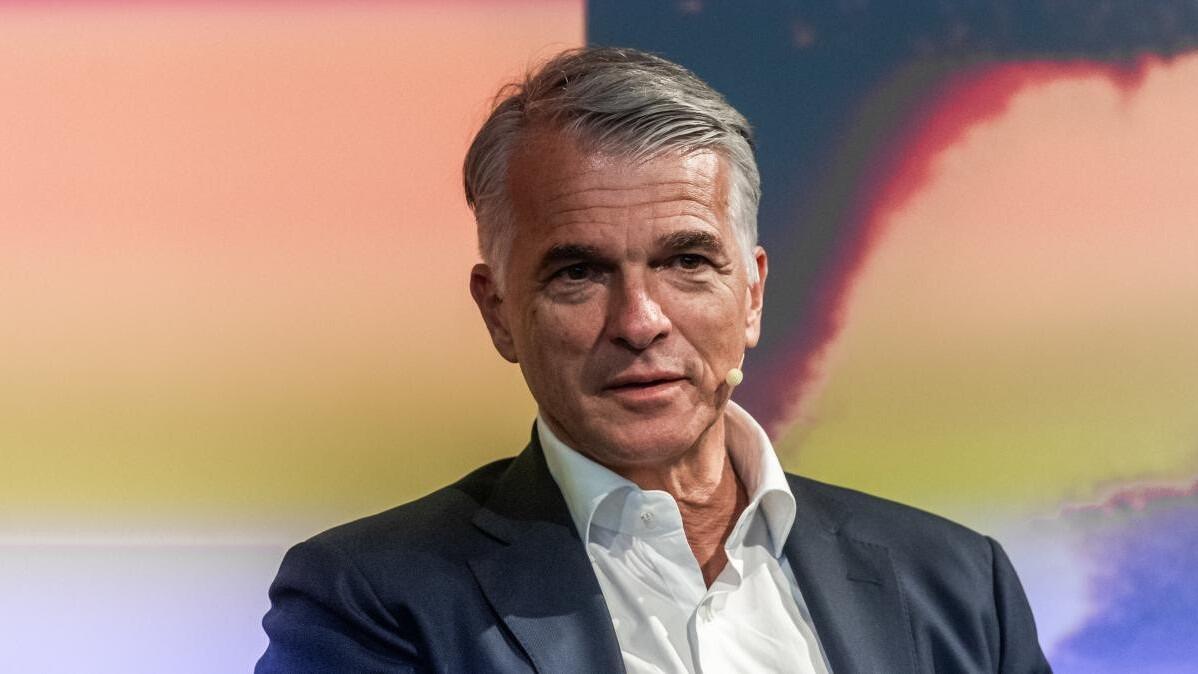
“I do worry about these extreme initiatives,” Ermotti said, speaking from the Swiss Economic Forum in Interlaken on Thursday. “Switzerland has 30% of foreign-born people, almost like in Australia, twice as Germany. And that leads to certain frustration within society. But it’s not a way to solve the problem.”
Switzerland’s population stood at approximately 9.1 million at the end of 2025. Since 2000, it has grown by about 1.9 million people, with roughly four-fifths of that increase attributable to net international migration. Swiss federal authorities measure the increase since the introduction of free movement of persons in 2002 at around 1.7 million.
Foreign nationals now make up about 27% of the resident population, while migration-background shares are higher. In 2024, 41% of Switzerland’s permanent resident population aged 15 and over had a migration background, including first-generation and second-generation residents. Ermotti highlighted the scale of the demographic shift, noting that Switzerland’s foreign-born share is comparable to Australia’s and roughly double Germany’s.
The “No to a Switzerland with 10 Million” initiative, backed by the right-wing Swiss People’s Party (SVP), would enshrine a hard population limit in the Federal Constitution. If passed, it would require Switzerland’s permanent resident population to remain below 10 million until 2050. If the population exceeds 9.5 million before then, the Federal Council and Parliament would have to take measures, particularly in asylum and family reunification.
If the 10 million threshold is exceeded, Switzerland would also have to renegotiate or terminate international agreements that contribute to population growth, including the EU Agreement on the Free Movement of Persons after two years. That would also put the broader Bilateral Agreements I with the EU at risk. Supporters point to real pressures: housing shortages and rising rents in cities like Zurich and Geneva, strained infrastructure, overcrowded public transport, and concerns over long-term social cohesion in a small, mountainous nation.
UBS’s High Stakes In The Debate
UBS, one of Switzerland’s largest private-sector employers with more than 30,000 employees in the country and a heavily international workforce, has significant skin in the game. The bank relies on global talent to sustain its operations in finance, a sector where skilled foreign workers fill critical roles. A rigid population cap, critics including business leaders argue, could exacerbate labor shortages in an already aging society with a fertility rate of around 1.3 children per woman.
Ermotti’s comments come as Switzerland grapples with balancing economic dynamism against quality-of-life concerns. Opponents of the cap, including the Federal Council and business groups, argue that Switzerland needs foreign workers in companies and public institutions such as hospitals and care homes, and that a constitutional ceiling would create uncertainty around Swiss-EU relations. Recent net immigration has moderated somewhat, falling for a second consecutive year in 2025, but remains high by historical standards.
The UBS chief stressed the need for evidence-based policymaking. “The discussions need to be balanced,” he said, urging authorities to ground decisions “on fact rather than emotion and scaremongering.”
Parallel Battles Over Capital Rules
Ermotti’s remarks on the population initiative coincided with ongoing tensions over Switzerland’s proposed capital requirements for UBS. The government is pushing to increase the common equity capital UBS must hold domestically against its foreign operations to 100% of each unit’s equity value, from 60% currently. The bank estimates this would require an additional roughly $20 billion in CET1 capital for its Swiss entity, a move it warns would damage its business model and, by extension, the broader domestic economy.
Parliament continues to debate the core package, with the process expected to last until next year. Ermotti’s call for fact-based deliberation applies equally here, as the bank awaits clarity on reforms that were partially watered down in April but remain demanding.
A Defining Moment For Swiss Identity And Economy
The referendum remains contested, though the latest reported polling shows opposition ahead, with 52% against the initiative and 45% in favor. It taps into broader European debates over low native fertility, labor needs, infrastructure limits, and national character. Switzerland’s direct democracy hands the ultimate choice to voters, making the outcome a potential bellwether for how high-income nations navigate sustained immigration.
Tyler Durden
Fri, 06/05/2026 – 02:45
https://www.zerohedge.com/geopolitical/ubs-ceo-warns-swiss-population-cap-extreme-measure