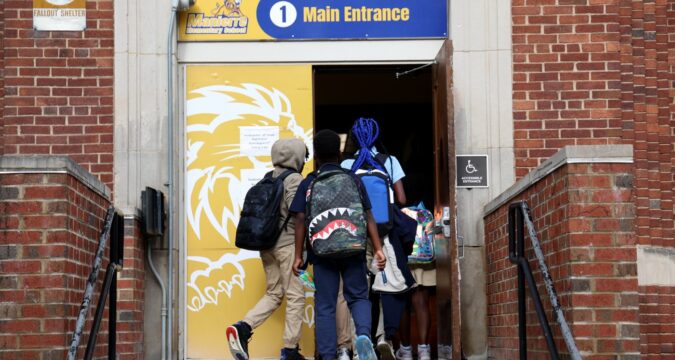
We spend a lot of time dwelling on academics on these pages, from how to improve reading to how to spend education dollars most effectively. Today, we are confronting a precursor to any of that mattering: Getting kids into the classroom.
A new state task force was launched this week to study chronic absenteeism — and to support the development of a strategy to address the problem in Illinois’ public K-12 schools. Members must submit a report to the General Assembly by Dec. 15, 2027, with their recommendations.
First, the good. The task force will loop in experts and solicit outside voices who will weigh in with their perspective. The resulting strategy is supposed to include ideas to build out a “system of support that promotes ongoing professional development and equips school-based and community-based personnel with the skills and knowledge necessary to reduce contributing factors to chronic absenteeism.” These things are needed.
Now for reality.
The state has convened similar bodies before, such as the Illinois Attendance Commission, which ran from 2015 through 2020 and was given duties a lot like this new task force.
What does the problem look like?
“Chronic absence” — not to be confused with truancy, or unexcused absences — means a student misses 10% of school days or more, with or without an excuse.
Today, 26% of students in Illinois public schools are chronically absent, about a 10 percentage point increase from a decade ago, when that rate was 16.5%.
Put another way, about 1 in 3 Illinois K-12 students is missing nearly 20 days of school a year.
The problem is even worse among low-income students, 36% of whom are chronically absent.
Illinois public schools must be in session for 176 days, minimum. That means chronically absent students are missing 18 days of school — or more. Of course, some students are dealing with sickness or other justifiable reasons for missing school. But that alone can’t account for the rapid increase in student absences.
There’s no question absenteeism creates a serious disruption in learning that is difficult to overcome. The reasons for missed days certainly vary, likely including illness along with more troubling problems, such as a lack of transportation, anxiety or bullying. Regardless, the results are the same: Students who miss too much class fall behind and have a hard time catching up.
Of course, you have to acknowledge that COVID-19 and the extended school closures complicated this problem. During the pandemic, many kids — especially from low-income households — disappeared, not signing in to virtual learning or showing any signs of participating in their classwork.
But school has stabilized, with in-person classes in place for several years. While the rate of chronic absenteeism has dropped slightly, it hasn’t budged much. It seems these exceedingly high rates have become the new normal.
This task force is focused specifically on chronic absenteeism, but we’d also encourage its members to consider truancy, too, to get a fuller picture of school attendance — 20% of Illinois students were chronically truant in 2024, defined as missing 5% or more school days without an excuse. In Chicago, nearly half of students were considered chronically truant, according to state data. Nearly half.
And yet, Illinois has a graduation rate of nearly 90%. More than 80% of Chicago Public Schools students graduated in 2024 despite CPS’ abysmal attendance rates. If nearly a third of kids aren’t consistently in school, what does that say about the meaning of a diploma?
Social promotion — the dreaded practice of moving students along to the next grade even when their academic performance would suggest doing otherwise — seems to be making a comeback post-pandemic. One part of the solution to excessive absences may well be a tougher approach in terms of consequences.
But negativity can go overboard. What won’t work is fines — punishment along those lines just makes kids and their parents resentful. Schools should build belonging instead.
Past groups have issued reports and recommendations, but based on the trends, it seems systemic follow-through was lacking — or their proposals aren’t working. These reports gather dust while the problem worsens.
So what positive steps would help? Good data, for starters. Individual schools, and the people who run them, should have access to real-time reports and check in frequently to assess their numbers so kids don’t slip through the cracks.
Family support is also essential, and encouraging more involvement from parents and guardians could include things such as home visits, transportation assistance and connecting families to other services that help with day-to-day needs. That sort of cross-agency collaboration, especially with health and housing agencies, could be vital.
Ultimately, though, kids need action.
This task force should not be just another study group. Once the recommendations are made, Illinois must demand measurable progress: lower absentee rates, better data and real support for students. Kids won’t learn if they’re not in class — and Illinois can’t afford to keep “studying” the problem while absenteeism worsens.
Submit a letter, of no more than 400 words, to the editor here or email letters@chicagotribune.com.
https://www.chicagotribune.com/2025/09/04/editorial-chronic-absenteeism-schools-truancy-illinois/