Last week, Marissa Gillett, Connecticut’s top utility regulator, announced that she will quit in early October after facing enormous pressure from the state’s two largest power companies. Her departure is a stark reminder that our state’s public utility model is broken and in need of reform.
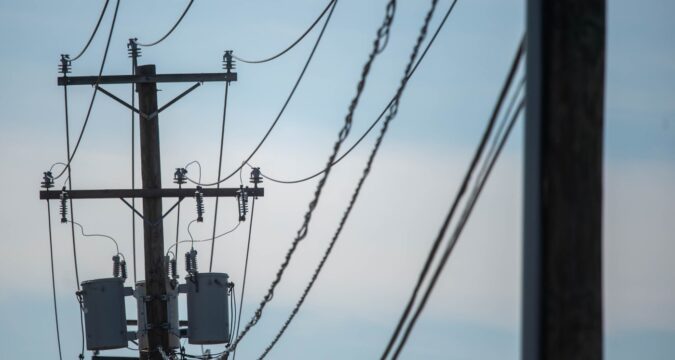
In Connecticut, like most states, a single company like Eversource or Avangrid typically owns and operates the wires that deliver power. These companies function as regulated monopolies over the physical infrastructure of the grid. While wholesale electricity suppliers compete in regional markets, retail customers have no ability to choose who manages the poles and wires that bring power into their homes. That means that although Connecticut ratepayers therefore have limited ability to select among different electricity suppliers, they cannot shop around for a different delivery system, which remains under the exclusive control of the local utility.
Regulators set the rates, which means that utilities know that the surest way to make money is by currying favor with their regulators. If a utility secures regulatory approval to build a new power plant, expand its distribution system, or make other capital investments, it is guaranteed cost recovery plus a regulated return. And the costs of paying for those investments fall on captive customers who have no ability to choose a cheaper provider in the marketplace.
This system encourages utilities to spend, not save.
Although some utility investments may be justified, the absence of competitive pressure means it’s hard to know. Too often, utilities are free to overspend, overbuild, and lobby for sympathetic regulators.
Marissa Gillett was one of a handful of utility regulators who challenged this model. She resisted rate hikes, pushed for performance-based rates that would have encouraged utilities to reduce costs and improve service, and tried to align utility profits with customer interests. Gillet was one of the most ambitious and innovative in the country. The reforms she pushed for are sorely needed in our state, which has the second-highest electricity bills in the country.
For her efforts she was sued, subjected to relentless political attacks, and ultimately driven to resign.
Governor Lamont now faces a choice. He can reward utilities for the scorched earth campaign against one of the country’s most ambitious energy regulators, or he can make clear that utilities can’t hold our state’s energy policy hostage through political lobbying and relentless lawsuits.
There are solutions. Nominate regulators who stand up to utilities and try to control costs. Adopt rate structures that reward utilities for innovating and reducing costs. And when utilities want to make large investments, regulators should require competitive bidding so that projects are built by whoever can deliver reliable service at the lowest reasonable cost.
The fix is straightforward: inject competition where possible, reward performance, not politics, stand behind dedicated public servants, and end monopoly privileges that keep utility bills climbing.
Joshua C. Macey is an associate professor at Yale Law School.
https://www.courant.com/2025/09/28/opinion-dont-let-utilities-bully-connecticuts-energy-regulators/